While our travels span the globe, our journeys cover not just EU nations but the wider world – from Atlantic shores to the fringes of Africa and Asia. This Europe travel guide reflects a continent we return to again and again.
Our European travels focus on landscapes, rich cultural diversity and places that reward curiosity. From moderate-distance mountain hikes to slow travel through lesser-known regions, or simply relaxing in Croatia, we explore Europe at a pace that allows its character to unfold.
So, let’s dive into what makes this continent so endlessly fascinating.
Europe: Size, Scale & People
How many countries are there in Europe? That depends on how you draw the boundaries. The UN’s geographical classification gives one commonly used total, while broader definitions include some transcontinental countries and can produce a higher number. The CIA’s World Factbook, for example, uses a broader definition that counts 49 European countries. The difference is largely down to geography and classification rather than a simple disagreement over the map.
When it comes to sheer size, the continental giants are Russia, Ukraine, France, Spain, Sweden and Germany. We’ve visited both Russia and Ukraine, though you won’t currently find posts about them in this guide. By population, the heavyweights are Russia, Germany, the United Kingdom, France, Italy and Spain.
But Europe’s magic often lies in its smaller gems. Beyond famous microstates such as Vatican City and Monaco, there are enchanting smaller nations such as Liechtenstein, Malta and Luxembourg. Among Europe’s smallest non-microstate countries by population are Iceland and Montenegro, with Luxembourg also among the continent’s smaller states.
It’s often in these smaller countries that Europe feels most personal – where landscapes sit close together, traditions run deep, and everyday life still moves to a distinctly local rhythm. What makes Europe truly distinctive is how quickly everything changes: cross a border and the language, food, architecture and rhythm of daily life can feel entirely different within a few hours.
From Peaks to Prosperity: Landscapes and Economies
Europe’s diversity isn’t just cultural – it’s economic too. Some of the continent’s highest GDP-per-capita figures are found in countries such as Liechtenstein, Luxembourg, Ireland, Switzerland, Iceland and Norway, although rankings vary depending on the source and year.
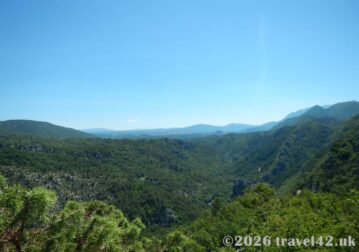
For us, though, Europe’s true wealth lies in its natural scenery. As avid hikers, we’re constantly drawn to its mountains, and the Alps remain our favourite by some distance. They combine immense scale, accessible hiking and some of the most spectacular scenery we’ve encountered anywhere in Europe.
We’ve also been captivated by the wild beauty of the Balkan Mountains and the forested ridges of the Carpathians, though our list keeps growing: the rugged Pyrenees, where remote valleys still feel wonderfully wild, and the Scandinavian Mountains, shaped by ice and silence, are both still ahead of us.
Then there are the smaller ranges and upland landscapes with their own quiet magic – the fairy-tale Black Forest in Germany, the poetic Lake District in England, the wild Scottish Highlands, and the ancient Świętokrzyskie Mountains in Poland. The only thing holding us back from exploring them all is time. Whether you’re drawn to Europe’s highest peaks or its quieter corners, we hope our journeys help you discover a side of the continent that stays with you long after you’ve returned home.
The Balkans: Wild Mountains and an Underrated Coastline
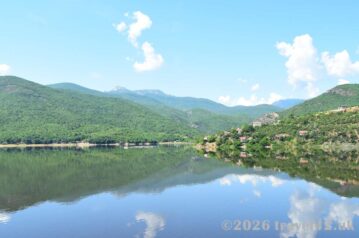
Of everywhere we’ve driven in Europe, the Balkans is the region that has surprised us most consistently. Across several weeks spread over multiple trips through Montenegro, Bulgaria and North Macedonia, what stood out wasn’t any single sight – it was how much changes over a short drive.
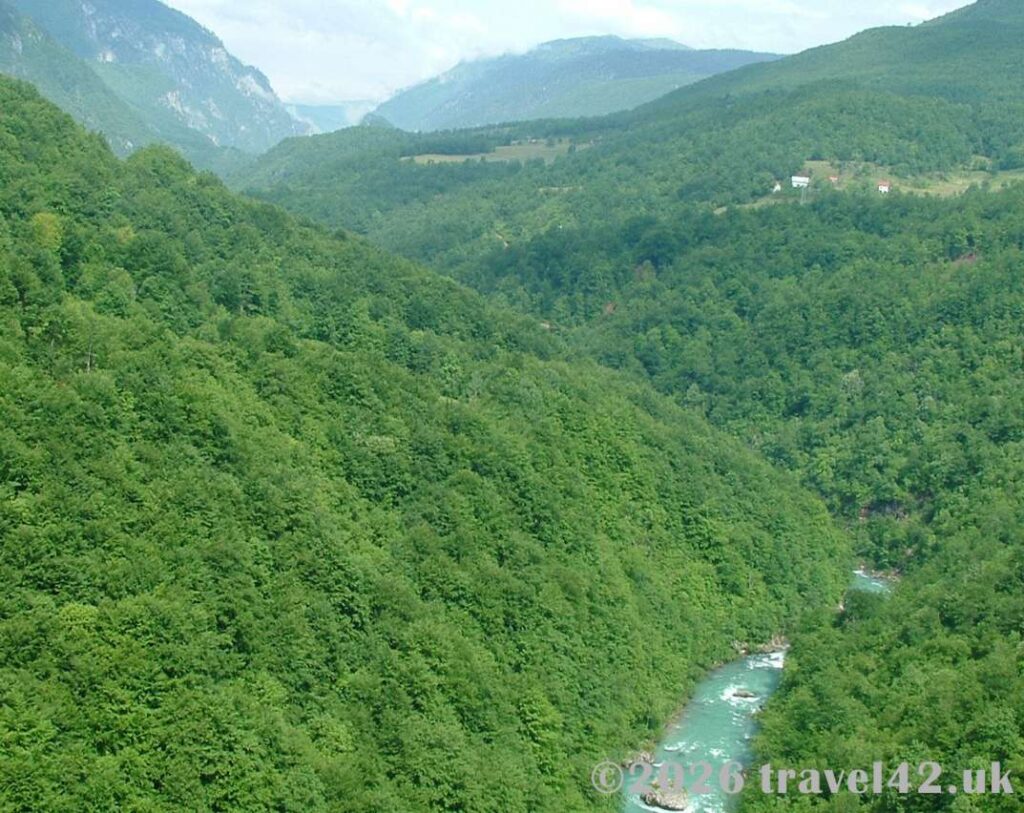
One afternoon we were at Durmitor National Park, watching snow settle on Black Lake in June; a few days later we were swimming off Sveti Stefan on the Adriatic coast, with Skadar Lake’s pelicans and herons only an hour inland.
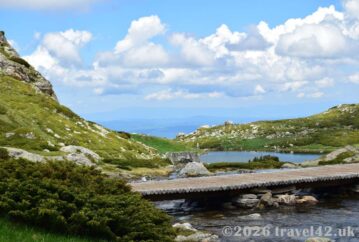
Bulgaria pulled a similar trick. We went looking for Baba Vanga’s legacy in Melnik and found ourselves in sandstone wine country instead, then a short drive later were tasting Bulgarian wine at Chateau Copsa and Zagreus in central Bulgaria. We hiked the Seven Rila Lakes above Sapareva Banya, spent a couple of days between Sofia and Plovdiv, and finished on the Black Sea coast between Primorsko and Varna – a stretch of coastline that gets a fraction of the attention Croatia’s does, even as prices rise and the summer crowds grow.
If you’re planning your own route through the region, our Balkans travel guide pulls the whole itinerary together, or browse everything we’ve written on the Balkans by destination.
Italy: The Country We Keep Coming Back To
Italy is the one exception to our “new horizons over old ones” rule, and by some distance the country we’ve returned to most.
Most recently that meant a road trip through Rome, Umbria and the Fire of Vesuvius – a route that took us from the Colosseum’s crowds to villages in Umbria where the pace slows right down the moment you leave the capital behind.
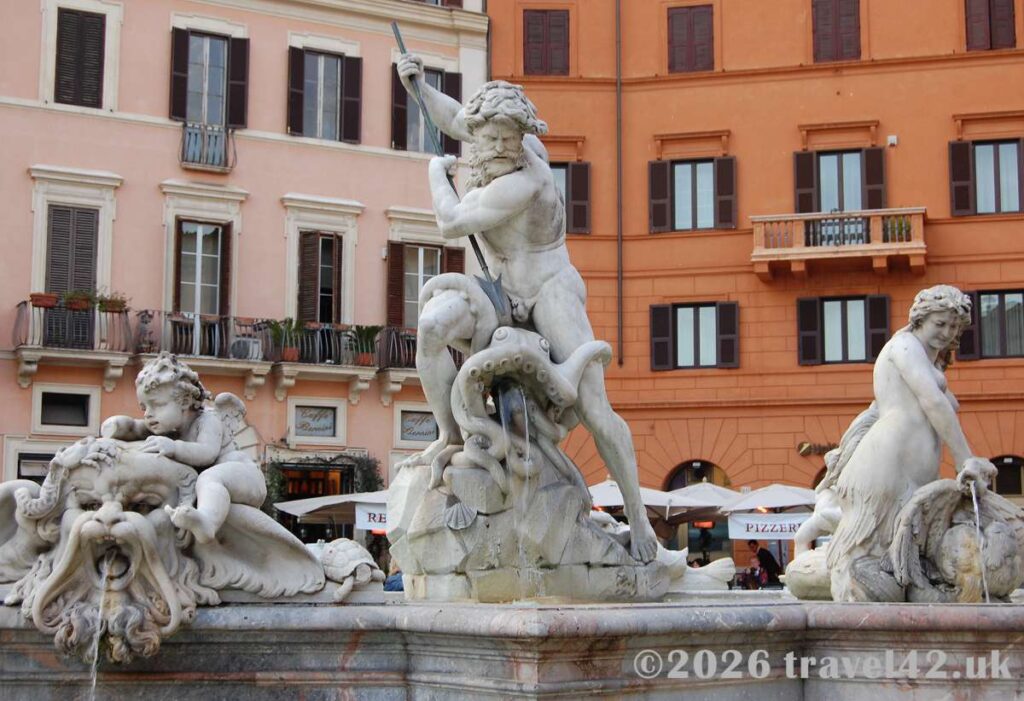
Rome itself deserves its own line: after several visits, we’ve stopped chasing the obvious restaurants and built a foodie guide to where we actually eat in Rome as a couple, rather than simply eating wherever happens to be nearest the Trevi Fountain.
Beyond Rome and central Italy, we’ve spent plenty of time in Sicily, returned to Puglia more than once, explored the Dolomites, visited Sardinia, and spent a relaxing few days around Lake Garda and Verona, where mountains and water meet in a combination we still haven’t tired of.
You’ll find the full, growing set of Italy posts in our Italy category, with more from this cluster – including Mount Etna and Puglia – still to come.
Croatia: Beyond Dubrovnik’s Old Town
Croatia was one of the first countries we built a proper cluster around, and it’s stayed a place we happily make an exception for.
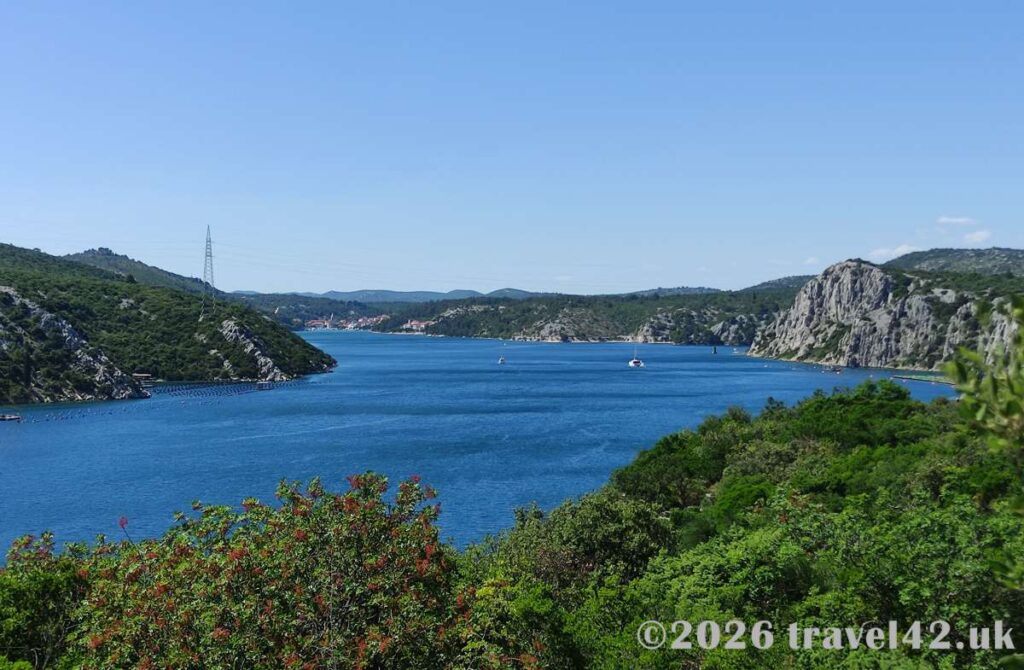
Dubrovnik’s Old Town earns its reputation, but the road trip around Dubrovnik we’d actually recommend runs well past the city walls, into villages and coves that don’t make it into the average weekend-break itinerary.
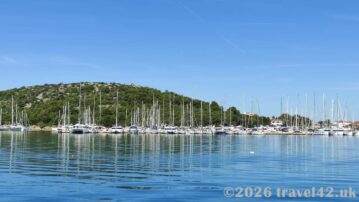
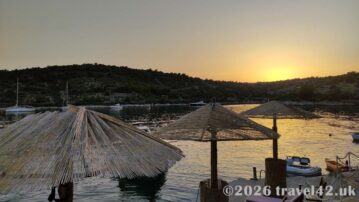
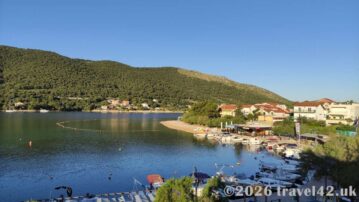
Sevid, a small coastal village on the Dalmatian coast, is the clearest example – calm, uncrowded beaches that make the short detour worthwhile.
Our Croatia travel guide for couples covers the wider region if you’re building your own Adriatic route, while the full Croatia category brings together every post from the coast so far.
Why We Keep Coming Back to Europe
For us, the appeal of Europe is precisely that there is no single way to experience it. A road trip through the Balkans can feel worlds apart from a slow few days in an Italian village; a hike in the Alps has little in common with an evening beside the Adriatic. Yet all of these experiences can fit into the same continent – sometimes within a day’s drive.
That’s what makes Europe such a rewarding place for couples to travel. You can combine adventure and relaxation, mountains and coast, historic cities and quiet villages without having to choose one style of travel.
And we’re still nowhere near finished. There are mountain ranges we haven’t walked, roads we haven’t driven, regions we haven’t explored and plenty of countries waiting to become the next exception to our “new horizons over old ones” rule.
Travel42 UK is a couples travel journal dedicated to immersive road trips, slow travel, and destination storytelling.
The long way round, as a couple
About the Author & Travel Philosophy
The author, ainarsbl, is a Level 7 Google Local Guide, Master Reviewer and Expert Photographer with over 1,000 contributions, 200 reviews and 600 photos. His focus is on discovering scenic landscapes, UNESCO World Heritage Sites, cities and meaningful travel experiences for couples. Learn more about the Travel42.uk authors and our approach to exploring the planet together.