Sofia and Plovdiv is a part of our Balkans series – see the full Balkans Travel Guide: Montenegro, Bulgaria & North Macedonia hub for the rest of the region.
This Sofia and Plovdiv article don’t feature in our 11-Day Bulgaria & North Macedonia Road Trip, but they’ve turned up on two of our other visits to Bulgaria. Between wine regions and mountain passes, a couple of proper cities made a welcome change of pace. This post brings both together: a day and a half in the capital, and almost 24 hours in Europe’s oldest continuously inhabited city.
Our Bulgaria 2024 video also captures our time in Sofia and Plovdiv, alongside the wine country and Black Sea coast.
Sofia: A Day and a Half Well Spent
One and a half days is tight for a capital city, but Sofia rewards you quickly. The centre is compact, walkable and – unusually for a Balkan capital – genuinely calm underfoot.
We’d passed through Sofia a few times before and eventually decided it deserved a proper look. Nobody had ever sold it to us as an unmissable capital, and it isn’t one, but we liked it far more than expected.
Getting in from the airport
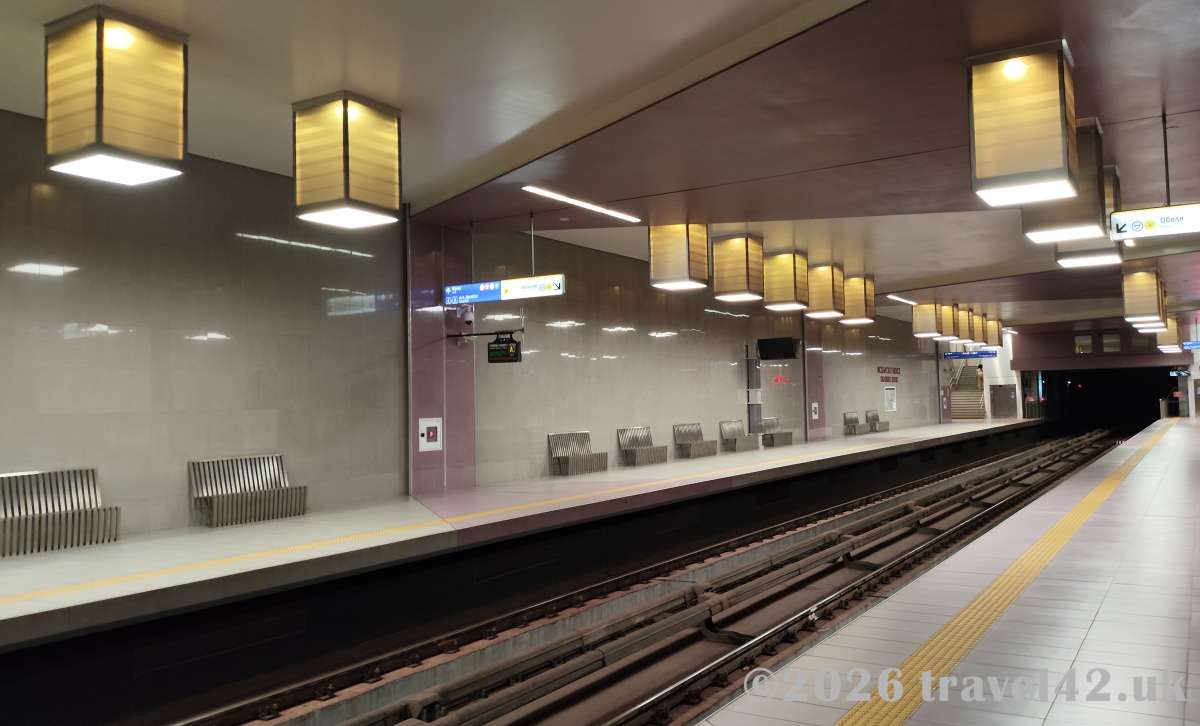
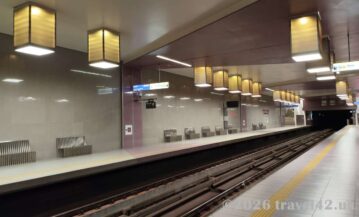
Sofia Airport connects to the centre by metro, and it’s about as painless as city transfers get. A single ticket costs roughly €0.80/£0.68, and the journey to Serdika station in the heart of the city takes around 20-25 minutes with no changes. You can simply tap a contactless card or phone at the barrier, so there’s no need to queue for a paper ticket.
Worth noting: Bulgaria adopted the euro on 1 January 2026, so prices you see quoted locally are now genuinely in euros rather than converted leva.
The trains themselves surprised us – clean, modern and a world away from what the exterior of some stations might suggest.
Walking the centre
We spent most of our time on foot, drifting between the pedestrianised heart of the city, the university quarter and the cluster of churches that make Sofia’s centre feel almost like an open-air museum.
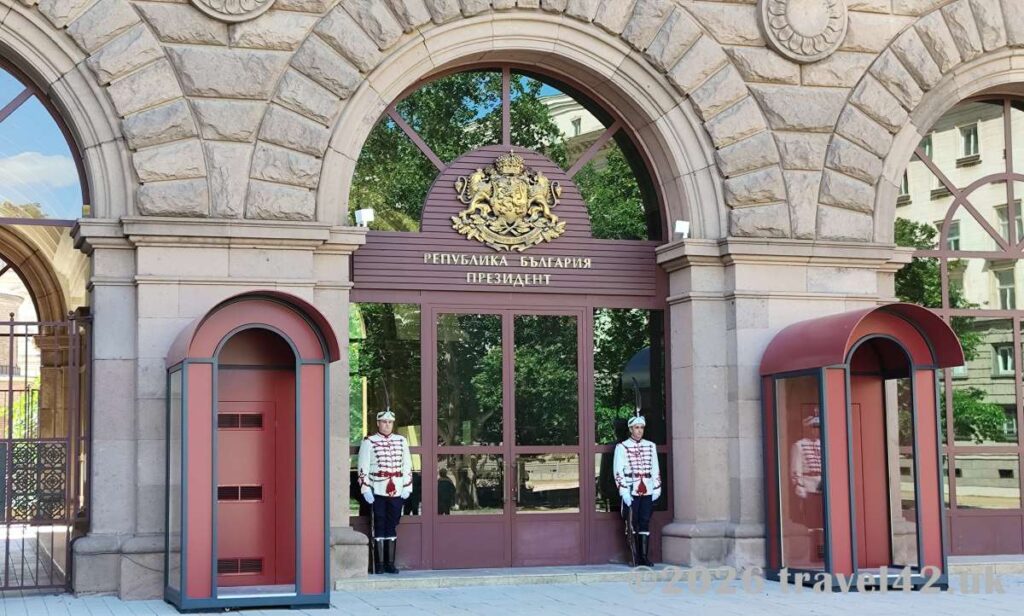
Vitosha Boulevard, locally known as “Vitoshka”, is the obvious backbone: fully pedestrianised between St Nedelya Square and the National Palace of Culture since a 2015 renovation, lined with cafés, and with Vitosha Mountain visible at the far end on a clear day.
It’s an easy, unhurried stretch to wander hand in hand, particularly in the early evening once the day-trip crowds have thinned.
One thing that struck us was how fairly the centre allocates space between pedestrians and traffic – rare in this part of Europe. The university quarter carries plenty of cars, but generous pavements and a well-placed underpass mean everyone moves through it without getting in each other’s way.
Where we stayed
We booked L’Opera Guest House Sofia (8 Paris Street), a short walk from the centre, at €51/£44 a night. The location is genuinely excellent – everything is walkable from the door – but it’s a touch noisy at night if your room faces the street, and the guesthouse itself is fairly no-frills.
🧭 T42 Vibe – L’Opera Guest House Sofia
| Category | Rating | Verdict |
| Couple Factor | ▰▰▰▱▱ | Good |
| Location | ▰▰▰▰▰ | Excellent |
| Value for Money | ▰▰▰▰▱ | Very Good |
| Comfort | ▰▰▰▱▱ | Good |
| Peace & Quiet | ▰▰▰▱▱ | Good |
🧭 T42 Vibe – Overall: ▰▰▰▰▱ 4/5
A very well-located and good-value base for exploring Sofia on foot. It’s practical rather than romantic, with everything within easy walking distance, although street-facing rooms can be noisy at night.
Eating and drinking
Food was where Sofia properly won us over – and lost us once, too, which felt worth being honest about.
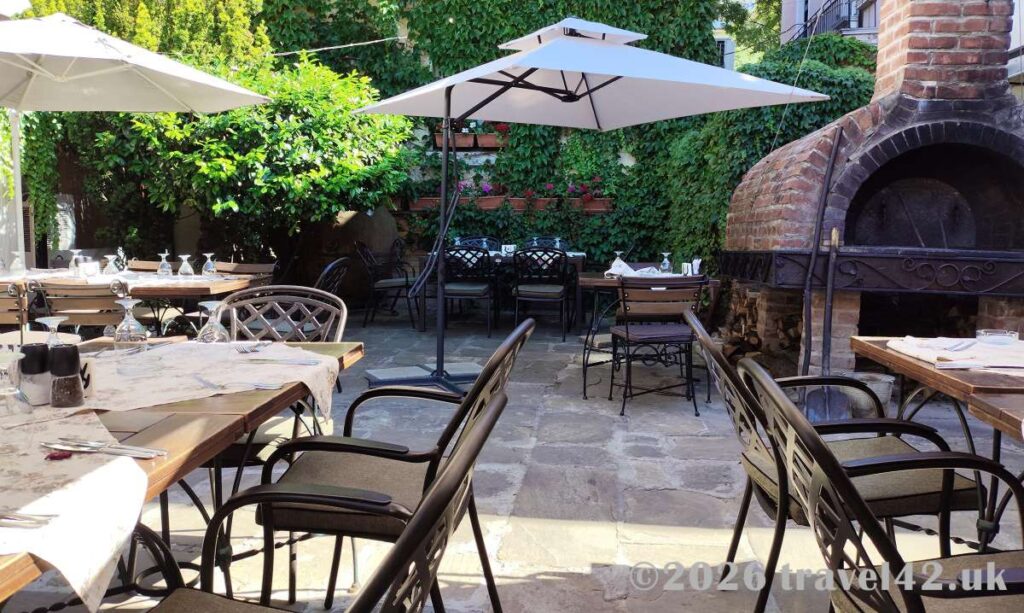
Staria Chinar, on Knyaz Alexander Dondukov Boulevard, was the best meal we’ve had across several stays in Bulgaria. A generous late lunch for two came to €64/£55, and every course justified the bill. Service was attentive without hovering, and it’s the one restaurant from this trip we’d actively route a return visit around.
The opposite experience came at Ресторант VICTORIA on Tsar Osvoboditel – a tourist trap in the classic mould: high prices, scattered service and food that was fine but forgettable. We paid €54/£46 for two for very little, and wouldn’t send anyone back.
For breakfast, we found Sabale in the centre (Georgi Benkovski 11) – a solid option since our hotel didn’t serve breakfast, although at €23/£20 for two, it’s on the pricier side for what you get.
In the evening, we found our way to 5L Speakeasy Bar on Tsar Shishman Street. We’d first discovered the speakeasy format in Guangzhou, China, in 2025, and Sofia’s version follows the same script – hidden door, low lighting and a bartender who works out your taste before quietly starting to make things that aren’t on the menu, at a slightly higher price, naturally.
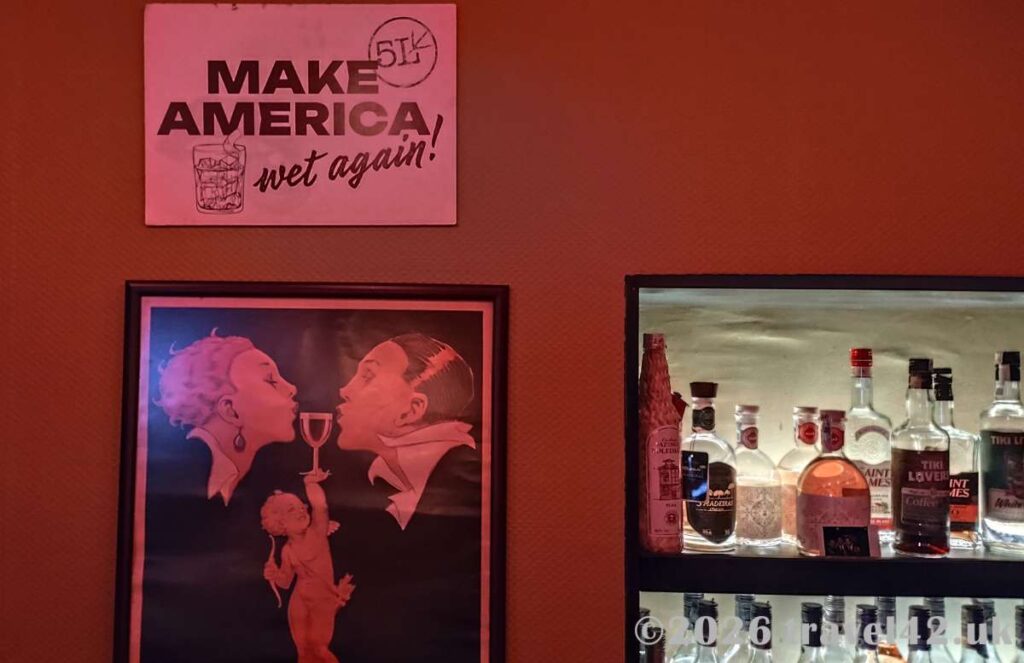
The Sofia bar has more room than its Guangzhou counterpart, including outdoor seating, and offers decent non-alcoholic options too. We stayed nearly three hours, having three cocktails each, for €89/£76 for two. The one thing we missed compared with the Chinese original was better snacks to go with the drinks.
For couples, though, it’s a fun place to spend an evening – particularly if you enjoy the feeling of discovering somewhere slightly hidden rather than simply sitting down for another standard cocktail.
A practical note on hire cars
If you’re picking up a rental in Sofia as part of a longer trip, self-service car wash stations are dotted around the city and cost only a few euros – handy for handing the car back looking respectable.
As with our road trip post, we rent through CarRent Bulgaria and have had a good experience every time. We have no commercial relationship with them; we simply keep going back.
Plovdiv: Europe’s Oldest City, in Brief
We arrived in Plovdiv in the evening and gave ourselves barely 24 hours before continuing towards the Black Sea coast – not nearly enough, but enough to understand why the city has such a following.
Where we stayed
We checked into Hotel Ego (Tsentar Plovdiv Center, ul. “Eliezer Kalev” 2), a surprisingly comfortable base just a short walk from the main sights, with private parking laid on.
Our Deluxe Studio came to €63/£54 for the night – worth budgeting a little extra now, since prices across Bulgaria have moved up noticeably since the euro changeover in January 2026.
There’s a good restaurant directly across the street that stays open late, handy if you’d rather not go hunting for somewhere to eat after dark.
🧭 T42 Vibe – Hotel Ego, Plovdiv
| Category | Rating | Verdict |
| Couple Factor | ▰▰▰▰▱ | Very Good |
| Location | ▰▰▰▰▰ | Excellent |
| Value for Money | ▰▰▰▰▰ | Excellent |
| Comfort | ▰▰▰▰▰ | Excellent |
| Peace & Quiet | ▰▰▰▰▱ | Very Good |
🧭 T42 Vibe – Overall: ▰▰▰▰▰ 5/5
A comfortable and convenient base for a short stay in Plovdiv, particularly if you’re arriving by car and want private parking within walking distance of the historic centre.
An evening walk and a late dinner
Rather than eat at the restaurant opposite, we walked a little further into town and had a late, generous dinner at Restaurant Diana-1 (ul. “Knyaz Al. Dondukov-Korsakov” 2), combining the meal with a relaxed wander through the centre.
We were back at the hotel and asleep by around midnight. We’d booked the room without breakfast, so the next morning it was straight up, straight out and into the city – we wanted daylight and enough time to take in Plovdiv’s history properly before pushing on towards the coast.
Sightseeing
Plovdiv is like a living museum. Walking through its pedestrian-friendly centre, we were struck almost immediately by how relaxed the whole place feels.
Top of our list was the Ancient Roman Theatre, one of the best-preserved in Europe. Built in the 2nd century AD under Emperor Trajan, it once seated up to 6,000 spectators.
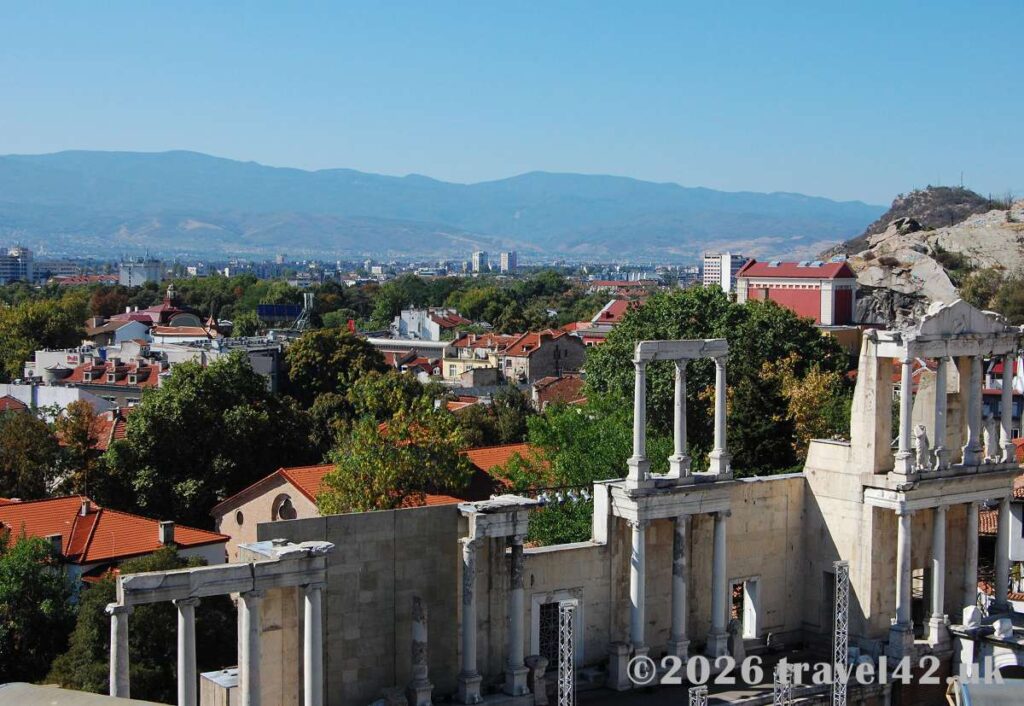
Finding it wasn’t straightforward – the Old Town’s narrow, maze-like streets don’t lend themselves to a direct route — but the view from the top made the detour worthwhile, taking in Plovdiv itself and the mountains beyond.
Plovdiv is older than it has any right to look. Archaeological evidence puts settlement on Nebet Tepe hill at around 6000 BC, making it one of Europe’s oldest continuously inhabited cities – older than Rome or Athens.
The Thracians called it Eumolpias; Philip II of Macedon, Alexander the Great’s father, took and refortified it in the 4th century BC and renamed it Philippopolis; the Romans later knew it as Trimontium, “city of three hills”.
The two anchors of a visit are the Old Town, a hillside tangle of cobbled lanes and 19th-century Bulgarian Revival houses, and the Ancient Theatre of Philippopolis itself, rediscovered by chance in the 1970s after a landslide and still used for concerts today.
Below the Old Town, the Kapana district – once the craftsmen’s quarter, its name literally meaning “the trap” — has become the city’s creative hub: street art, small galleries and the kind of bars and cafés that reward slow mornings rather than a checklist visit.
Plovdiv also claims Europe’s longest pedestrian street, running through the modern centre below the Old Town hill — a nice contrast to the compact, hilly lanes above it.
For us, that contrast is part of what makes Plovdiv work so well for a couple’s city break. You can spend the morning wandering through ancient ruins and Revival-era streets, then slow down over coffee or lunch in Kapana without feeling as though you’re racing from one attraction to the next.
Practical Notes
- Currency: Bulgaria uses the euro as of 1 January 2026; older guides quoting leva are now out of date, and prices generally have risen since the changeover.
- Sofia metro (airport to centre): Approx. €0.80/£0.68; contactless card accepted directly at the barrier.
- L’Opera Guest House Sofia: €51/£44 per night.
- Staria Chinar (lunch for two): €64/£55.
- Ресторант VICTORIA (lunch for two): €54/£46.
- Sabale breakfast (for two): €23/£20.
- 5L Speakeasy Bar (three cocktails each, for two): €89/£76.
- Hotel Ego, Plovdiv (Deluxe Studio, per night): €63/£54.
Final Thoughts
Sofia and Plovdiv gave us two very different versions of Bulgaria. Sofia surprised us with its walkable centre, good food and relaxed atmosphere, while Plovdiv felt like stepping into a much older layer of the country, where Roman ruins, Bulgarian Revival houses and lively modern cafés sit almost on top of one another. With only a day and a half in Sofia and around 24 hours in Plovdiv, we certainly didn’t see everything – but sometimes a short stay is enough to know whether a place deserves another visit. For couples travelling through Bulgaria, we’d happily make time for both: Sofia for the food, evening atmosphere and easy city wandering, and Plovdiv for history, character and slow walks through its old streets.
This post is part of our ongoing Balkans series. Continue exploring with Melnik, Bulgaria: Sand Pyramids, Wine & Baba Vanga’s House, Matka Canyon & Skopje, or head back to the Balkans Travel Guide hub.
Travel42 UK is a couples travel journal dedicated to immersive road trips, slow travel, and destination storytelling.
Explore More of Balkans:

The long way round, as a couple
About the Author
The author, ainarsbl, is a Level 7 Google Local Guide, Master Reviewer and expert travel reviewer focused on scenic landscapes, UNESCO sites and meaningful couples travel experiences.