Starting a Three-Week France Road Trip in Burgundy
Everyone has an opinion about France, and we have visited many times. But the trip we still talk about most is the three-week road trip we made around the country in August 2007. This is the first part of that journey, taking us from Burgundy’s vineyards to the high Alps, down to the Mediterranean and inland to one of France’s most dramatic small towns.
Although this trip took place a long time ago, I decided to keep the story online when updating my posts in 2026, for two reasons. It was one of our first long road trips, and it was where we learnt a great deal about French wines and wine culture. In many ways, it marked the beginning of our journey into the world of wine, which later took us to Italy, Spain, the Balkans and beyond.
The first part of the trip, apart from our time in the mountains, was largely about food and wine. The second part, along the Atlantic coast and through Paris, was much slower: camping beside the ocean, visiting Disneyland and finishing with a champagne tasting near Reims. Although our Paris post reads like the end of the journey, Reims actually came afterwards. By then, it felt as though another experience was beginning, one that would grow through our later travels.
Beaune: Where Our France Road Trip Began
After crossing the French border, we began the next morning with wine tastings in Beaune, the wine capital of Burgundy. Dijon, famous for its mustard, is the regional capital, but Beaune was much more interesting to us. The historic town is surrounded by celebrated vineyards and makes an excellent first stop for couples who enjoy wine. You can stay in town, explore the cellars and leave the driving to someone else on a tasting day.
We stayed at Hotel Stars Beaune, which was comfortable enough for the price. It was close to the main road, a convenient location after arriving late in the evening. The hotel may no longer operate under that name, but our stay served its purpose.
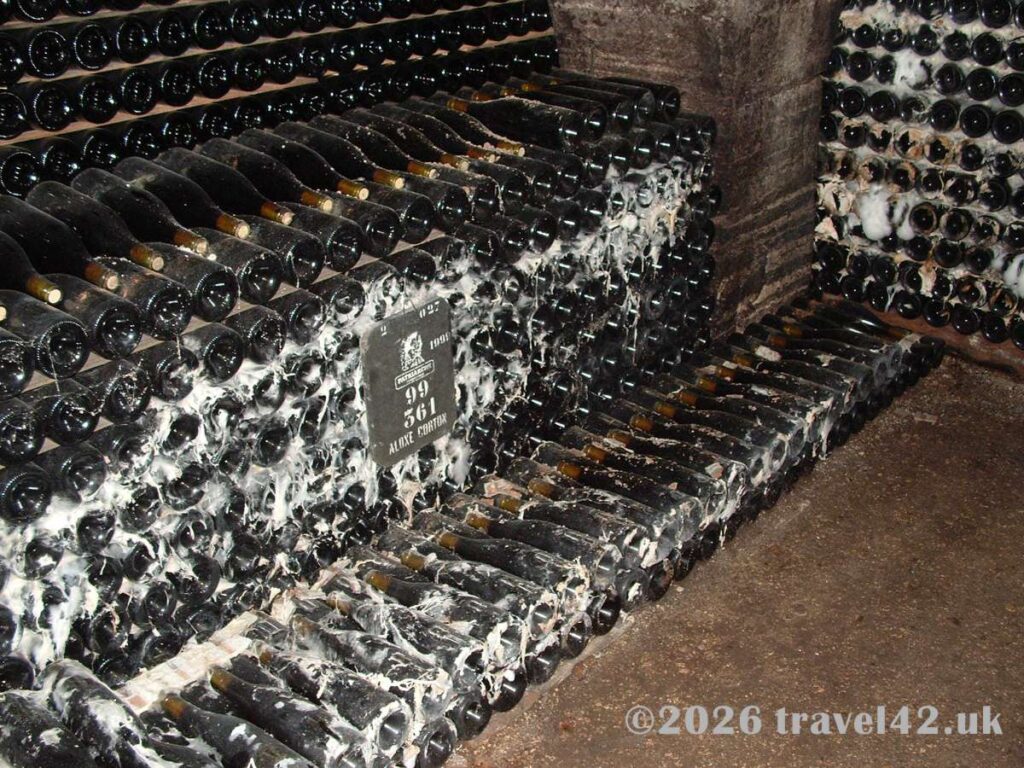
Our tasting took place in the cellars of Patriarche Père et Fils, one of Beaune’s best-known wine attractions, particularly for its extensive underground cellars.
It was our first wine tasting on such a scale, so everything felt exciting. One thing we still remember is how surprised we were by the complexity of Burgundy wines. Until then, we had only tried lighter Burgundies. Discovering how different they could be was an eye-opener. We bought a box of bottles for Christmas, and those wines really did have a wonderfully Christmassy aroma.
For couples: If you are driving, agree on a designated driver before entering the first cellar. You can taste a surprising amount of wine during a visit, and even when you spit rather than swallow, you should not assume you will be fit to drive afterwards. Take your time, enjoy the experience and plan your transport accordingly.
Chamonix and the Aiguille du Midi
From Beaune, we drove to Chamonix-Mont-Blanc, a mountain town known for skiing in winter and hiking and mountaineering in summer. Our campsite was only a few hundred metres from the cable car station for the Aiguille du Midi. That is exactly the sort of detail that makes camping worthwhile: you are close to the place you have come to see, without having to drive everywhere.
We pitched our tent for a couple of nights and then headed up the mountain, which was the main reason for our visit.
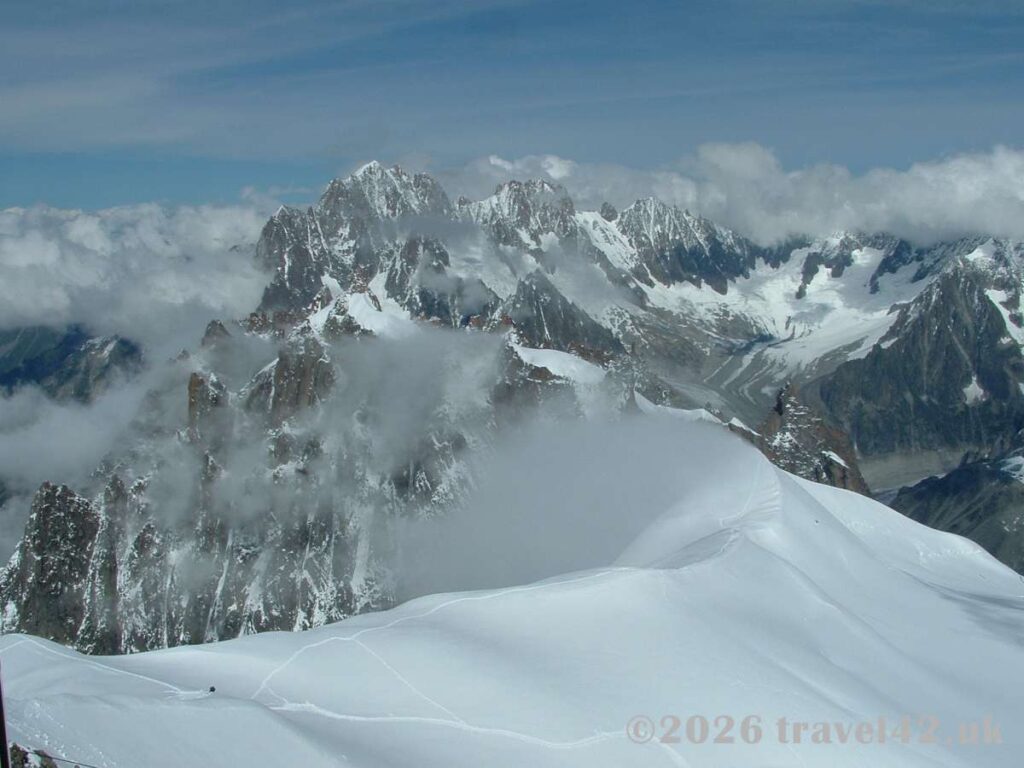
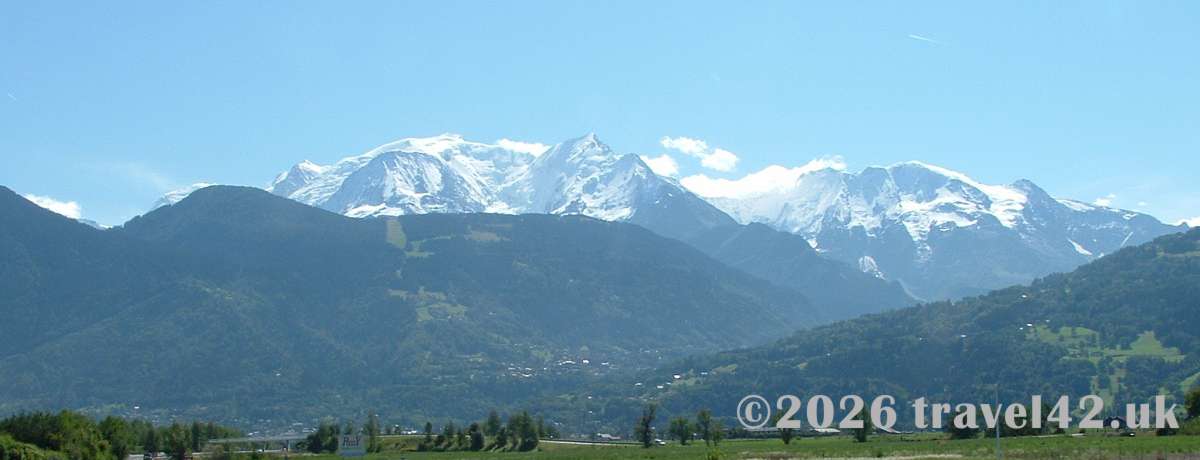
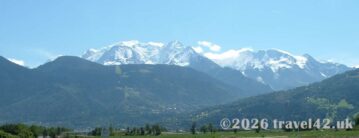
The Aiguille du Midi reaches 3,842 metres above sea level in the Mont Blanc massif, and its viewing platforms offer one of the most spectacular panoramas we have ever seen. From there, you can look towards Mont Blanc itself, the highest mountain in the Europe, with a seemingly endless line of other summits stretching into the distance.
There is, of course, a question of how the highest mountain in Europe should be defined. As a proud European who follows the Kuma–Manych Depression model, regarded as a historical standard associated with the eighteenth-century explorer Philip Johan von Strahlenberg, I consider Elbrus to be in Asia. From my perspective, therefore, Elbrus should not be presented as the highest mountain in Europe.
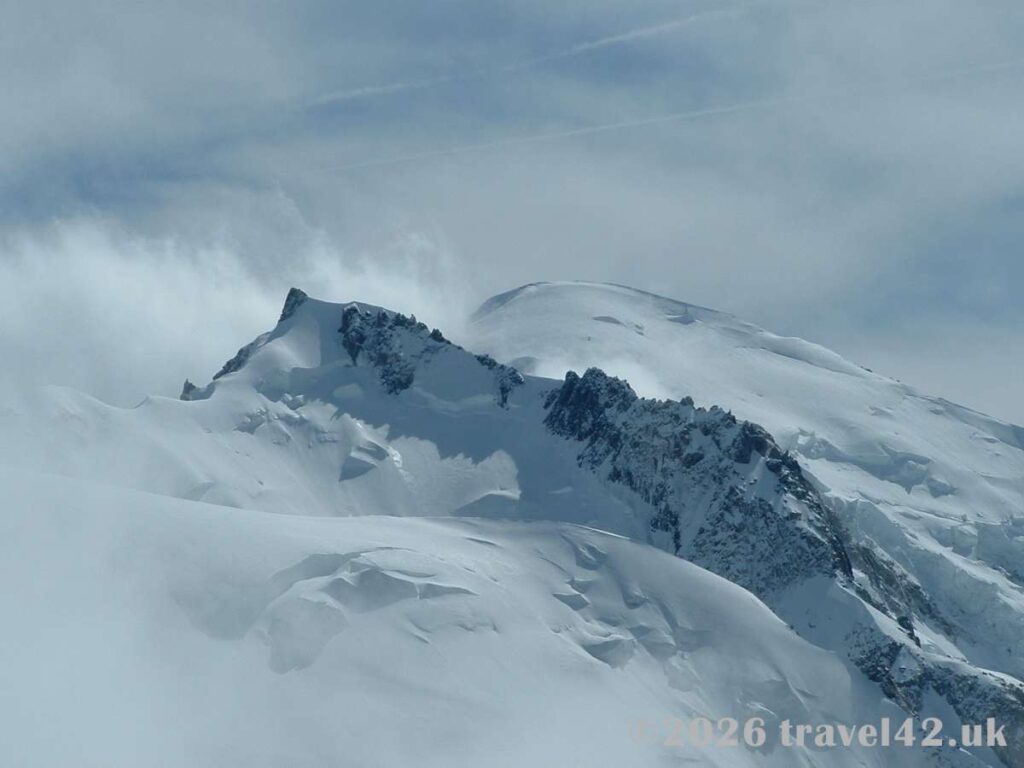
Back in Beaune, and even in Chamonix, the August weather had been pleasant. It was hard to imagine that a cable car ride could take us somewhere requiring proper winter clothing. Fortunately, we had brought suitable clothes and footwear, which allowed us to stay at the top for a while. Without them, we would probably have had to head straight back down to escape the cold.
Hiking Near Chamonix, a Glacier and an Evening in Switzerland
The paths around Chamonix are well marked and graded by difficulty, while local transport makes it easier to reach walking routes without using the car. If you do not have suitable boots and equipment, stick to easier trails. Mountain weather can change quickly, and the higher routes are no place for ordinary trainers.
The following day, we went hiking to a nearby glacier. It was a completely different experience from the mountain viewpoint. We travelled there by mountain train and explored caves in the glacier, different from those we experienced later in Iceland – another first for us.
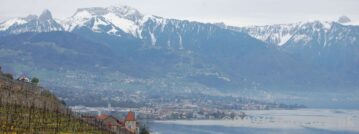
In the evening, we decided to do something different and made a brief trip into Switzerland, which is close to Chamonix. Montreux is about 90 kilometres away by road. We already have several posts about Switzerland, so I will leave the details for those stories.
For couples: Combining a high-altitude viewpoint with an easier walk through the valley makes a good mountain break. One gives you the grand panorama; the other leaves more time to slow down and enjoy being together.
Down to Provence: From Snow to 35°C
The change from Chamonix to Provence was sudden. After a couple of days surrounded by snow and ice, a few hundred kilometres of driving brought us into temperatures of around 35°C. It was the end of August, so we had missed the lavender season, which usually peaks in June and July, depending on the location and the weather. Instead, we bought fresh fruit and vegetables directly from local growers along the way.
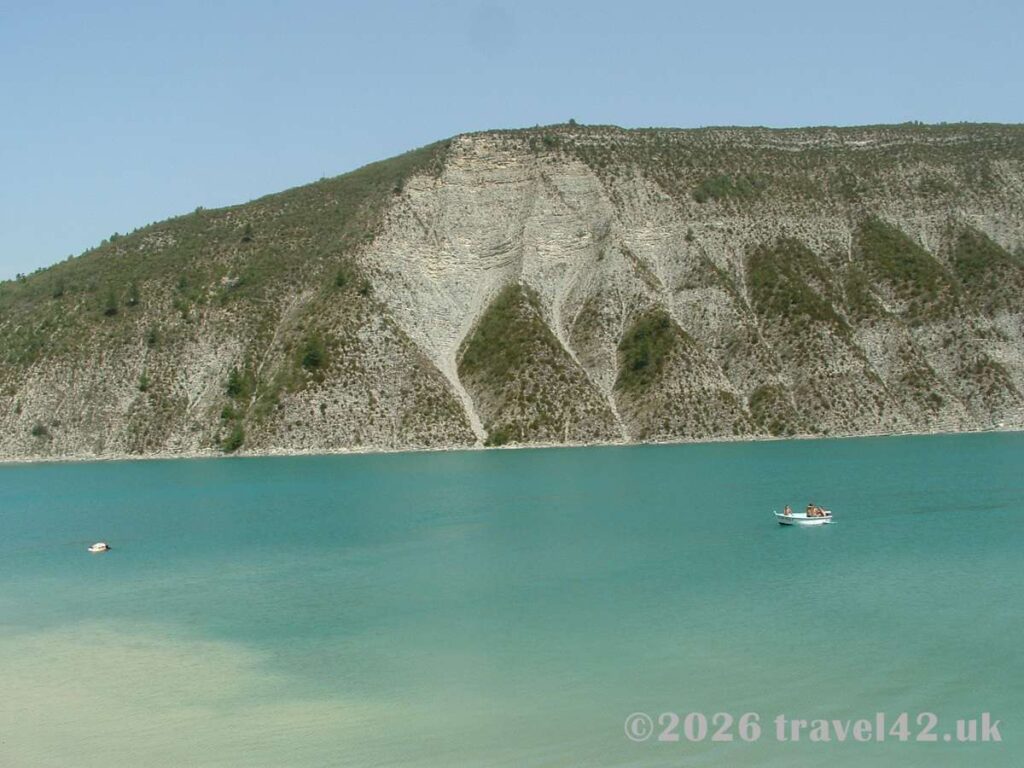
One elderly lady selling produce spoke only French. We spoke hardly any French ourselves, but the transaction went smoothly anyway. We asked for everything she had in her garden and came away with a selection of delicious fruit.
It was a simple encounter, but one of those small moments that make a road trip memorable. You do not always need a famous attraction or a carefully planned activity. Sometimes, fresh fruit bought from someone’s garden is enough.
Grasse and the Fragonard Factory
Our next short stop was Grasse, a town long associated with the French perfume industry. We took a tour of the Fragonard perfume factory, which was free. The visit ended, as you might expect, in the shop, and a few French fragrances joined the wine in our collection of gifts.
We had also planned to visit the perfume museum, but it was closed by the time we arrived late in the afternoon. Our advice is simple: if you want to see both the factory and the museum, arrive earlier in the day and check the opening arrangements beforehand.
We were gradually making our way towards the French Riviera, however, and we had no regrets about the pace of our journey.
Nice: Two Days Without a Camera
After Grasse, we continued to Nice and spent a few very sunny days on the beach. There are no photographs from that part of the trip because the sun was so strong and the sea so warm that we simply stopped doing anything else.
Sometimes, the best holiday memories are the ones you do not photograph.
On arrival, it took us about half an hour in the evening to find a well-equipped campsite around 15 minutes from the beach. After the mountains, it was just the change of pace we needed.
I would nevertheless recommend booking a campsite in advance during the busy summer season. We were very lucky to find a space, as the campsite appeared to be fully booked. Perhaps someone had failed to arrive, leaving us with an unexpected opportunity.
An Evening Drive Through Monaco
On our second evening, after sunset, we decided to visit Monaco because we were so close. We did little more than drive through the tiny principality, stopping once near the Monte Carlo Casino and again at a viewpoint on the cliffs overlooking the French Riviera.
It may not sound like much of a visit, but it was exciting. There was something special about seeing Monaco after dark, and the short detour added another memorable experience to our road trip.
For couples: Nice is a good place to do very little. After several active days in the Alps, spending time on the beach and enjoying a relaxed evening together is an excellent way to balance a road trip.
Pont du Gard: A Roman Aqueduct on the Way West
After our lazy spell by the sea, it was time to move on. We left Nice and headed west towards the Atlantic coast. About 300 kilometres along the way, not far from Avignon, we stopped at the Pont du Gard, a magnificent Roman aqueduct bridge built in the first century AD. It formed part of a much longer water supply system serving the Roman city of Nîmes and became a UNESCO World Heritage Site in 1985.
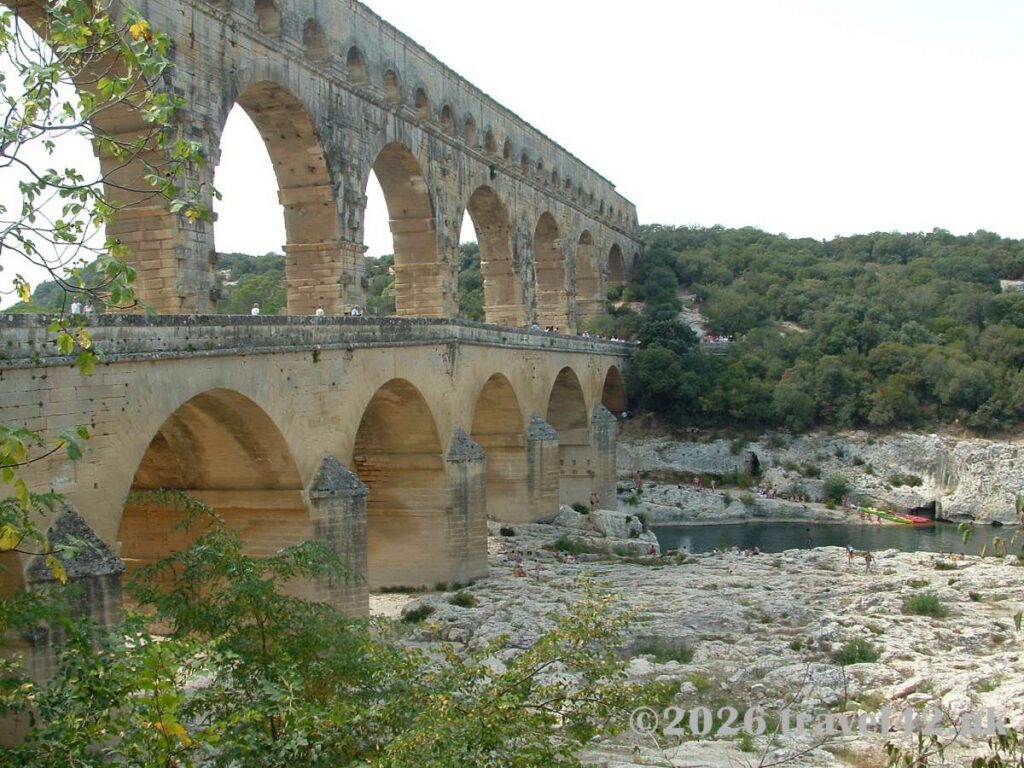
We stayed for about an hour. It was not because we lacked interest in the monument, but because walking around in temperatures above 40°C felt like being in the depths of hell. Eventually, we retreated to the car and continued towards Rocamadour.
We had no idea that the next couple of days would bring almost no sunshine and quite a bit of rain instead.
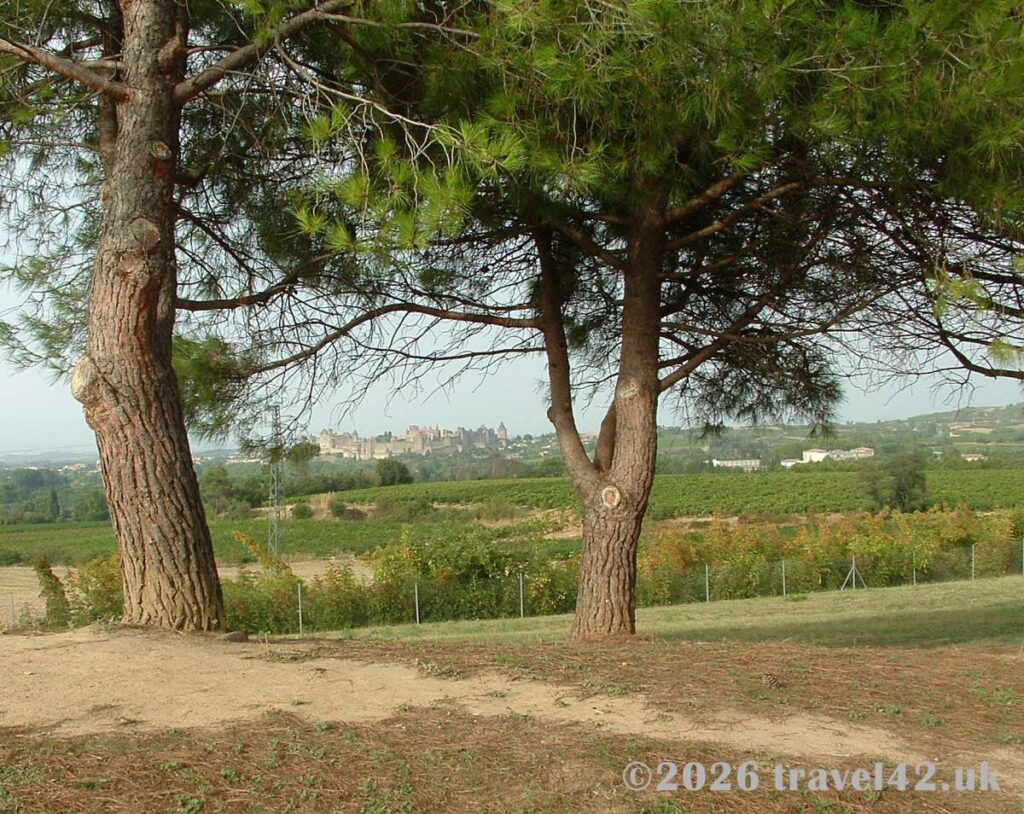
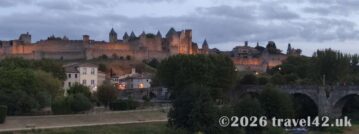
On the way, we stopped briefly at a parking area on the A61 motorway and spotted a castle in the distance. It looked wonderful, so we made a mental note to visit it one day.
We eventually returned sixteen years later. That distant glimpse was our first encounter with Carcassonne, which you can read about in our guide to Carcassonne and Toulouse for couples.
Rocamadour: A Town Built into a Cliff
Our next destination was Rocamadour, a small but striking historic town in south-west France. It has been an important pilgrimage destination since medieval times, attracting visitors to its sanctuary and the Black Madonna.
More precisely, the sanctuary is a religious complex of chapels and a basilica built into the cliff face. The Black Madonna is housed in one of the chapels, which we visited.
The town clings almost vertically to the rock, and it is every bit as impressive as that description suggests. Approaching Rocamadour, you can see why it has attracted pilgrims and travellers for centuries.
Camping Near Rocamadour
After arriving, we set up at our next campsite before visiting the Black Madonna. Once again, we spent a couple of nights in a tent.
We stayed at Camping Ferme Brache, close to Rocamadour. The name appears to have changed since our visit, and the current place may be Camping Ferme des Campagnes, although I cannot confirm that they are the same site. If you are planning a visit, check the location and details before booking.
Despite the frequent heavy rain, we have very good memories of that stay. There was plenty to do in the surrounding area, beyond visiting Rocamadour itself:
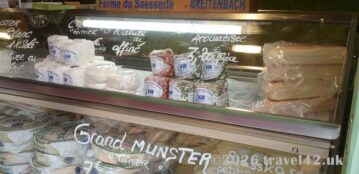
- A cheese-making demonstration and tasting. Rocamadour is known for its small goat’s cheese, which we watched being made and then sampled.
- Goose farms, of which there were plenty.
- The Forêt des Singes, an open-air monkey park.
The cheese-making experience was the most memorable. We watched the milk being collected and almost the entire process of making the cheese. We still remember how pungent one of the cheeses was, even though it tasted very good.
By the time we reached our campsite on the Atlantic coast, we had to keep it outside our bungalow. During the night, a dog helped itself to the cheese without our permission. It was an unfortunate end to a very good local food experience!
Sarlat: A Market Worth Planning For
While staying near Rocamadour, we also visited Sarlat, another beautifully preserved medieval town in the Dordogne. We had planned the trip in advance, just as we had our visit to the Forêt des Singes.
I will not say much more about the monkey park, as everyone can imagine what one is like, although it was certainly worth visiting.
The market in Sarlat was a fantastic experience. The town is famous for its food market, which offers a huge choice of local produce and regional specialities. We concentrated on herbs and spices because they were easy to pack and take home.
For us, the pleasure was not simply in buying things. It was in wandering through the stalls, seeing what was available and discovering another part of French food culture.
For couples: Visit a market early in the morning, before the busiest part of the day. Buy ingredients for a picnic, find a quiet spot and enjoy a meal together. It is a simple way to experience a destination without turning every day into a packed sightseeing schedule.
What We Learned from the First Leg of Our France Road Trip
We covered about 1,500 kilometres from Beaune to Rocamadour, and this first leg showed us just how varied France can be over a relatively short distance. We experienced Burgundy wines, Alpine summits, Mediterranean heat, a Roman aqueduct and a medieval town built into a cliff, all within roughly a week of travelling and rarely staying more than two nights in one place.
The balance worked well. Active days at the Aiguille du Midi and on the hiking trails were followed by slower ones in Nice and at the markets. Camping kept us close to the places we wanted to explore and gave us the flexibility to keep moving.
The one thing we would change is to allow an extra day or two in some places, particularly if we were planning a similar trip today. We could not afford that luxury on this journey because we wanted to see as much of France as possible in less than three weeks.
We later used what we had learnt to plan shorter trips focused on particular destinations. These took us to cities such as Lyon, Bordeaux, Toulouse and La Rochelle, as well as smaller places including Collioure, Carcassonne and Béziers.
From Rocamadour, we headed west towards the Atlantic coast, where the pace of the trip became much more relaxed. After the coast, we continued to Paris and then Reims, finishing with a champagne tasting.
Looking back, this road trip was about much more than the places we visited. It was one of the journeys that helped shape the way we travel as a couple: mixing spectacular landscapes and new experiences with good food, wine and time to slow down together. It also taught us that a little flexibility can lead to some of the most memorable moments on the road.
If you would like to explore more of the region, visit our Western Europe Travel Guide for Couples, where we bring together our experiences and practical travel ideas from across this part of Europe.
Travel42 UK is a couples travel journal dedicated to immersive road trips, slow travel, and destination storytelling.
Explore More of Western Europe:
The long way round, as a couple
About the Author
The author, ainarsbl, is a Level 7 Google Local Guide, Master Reviewer and expert travel reviewer focused on scenic landscapes, UNESCO sites and meaningful couples travel experiences.