This post sits outside our Bulgaria & North Macedonia: 11-Day Road Trip series. After the vineyards of central Bulgaria, we turned the car east and let the Black Sea take over.
The plan was straightforward: a morning in Plovdiv, an early afternoon of wine tasting, then east to reach the resort in time for dinner.
From the Vineyards to the Coast
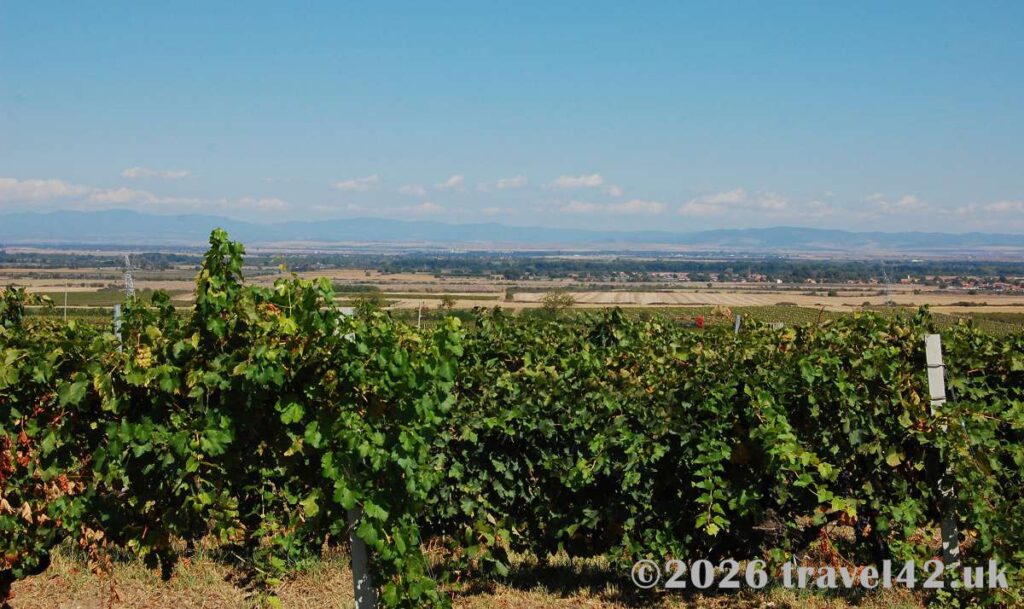
We left the winery with that particular contentment that only an afternoon of unhurried tasting can produce, and pointed the car east. A short stretch of local roads gave way to the A1 motorway, and the whole character of the drive changed with it long, straight and built for covering distance rather than admiring it. The leg from Zagreus Winery to Burgas, about 220 km, took a little over two hours.
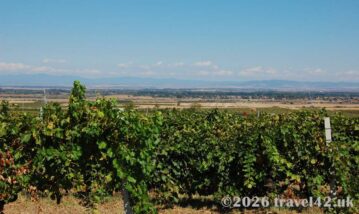
Burgas appeared on the signs well before we reached it, but we skirted the city rather than driving in, turning south instead. It’s Bulgaria’s second-largest Black Sea city after Varna, and the stretch of land leading up to it is some of the country’s most productive – fields and smallholdings gave way to vineyard after vineyard the closer we got, a landscape that felt more Mediterranean than the mountain roads we’d left behind that morning.
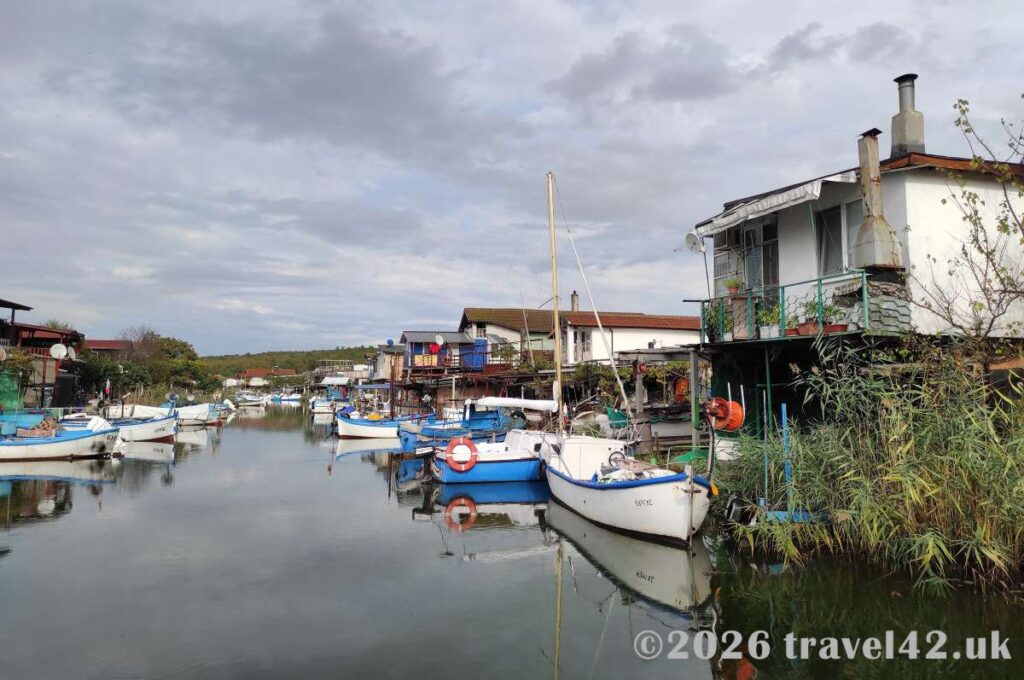
A petrol stop just past Burgas – a Lukoil forecourt, with snacks grabbed more out of habit than hunger – was really more about stretching our legs. From there, the final stretch to Primorsko was mercifully short, with road conditions still mostly good.
We also captured some of this journey on video, including Primorsko, Sozopol and Nessebar: our Bulgaria video featuring the Black Sea coast.
Settling In: Primorsko and the Park Hotel & Spa Les Magnolias
We arrived in Primorsko just before sunset, which is, we’d argue, the correct time to arrive anywhere on a coastline. The sky was a beautiful red, and the first smell of coastal air was encouraging. Finding our room took a while, though – it’s a low-rise hotel spread across a fairly large plot.
Our base for the week was the Park Hotel & Spa Les Magnolias, a few minutes’ walk from the beach and tucked into enough greenery that the resort noise of Primorsko didn’t reach us – the only exception was a hotel across the street with fairly loud evening entertainment (“animation” shows, as they’re known locally). After a full day on the road, that buffer of trees mattered more than we expected.
We’d normally steer away from all-inclusive stays – we like the excuse to wander and find dinner somewhere unplanned – but for a week based in one resort town, the convenience won out. It turned out to be the right call: the food was consistently good throughout the stay, heavy on seafood and the meat dishes Bulgaria does so well, though we’d have liked to see a bit more variety on the fruit and vegetable side.
🧭 T42 Vibe – Park Hotel & Spa Les Magnolias
| Category | Rating | Verdict |
| Location | ▰▰▰▰▱ | Very Good |
| Couple Factor | ▰▰▰▱▱ | Good |
| Value for Money | ▰▰▰▰▱ | Very Good |
| Facilities | ▰▰▰▱▱ | Good |
| Service | ▰▰▰▰▱ | Very Good |
🧭 T42 Vibe – Overall: ▰▰▰▰▱ 4/5
A comfortable and good-value base for a week on the coast, particularly if you want to combine beach time with day trips. It’s more family resort than romantic hideaway, but the quiet, tree-lined setting gives you some breathing space from the busier parts of Primorsko.
That first evening, we lingered far longer over dinner than planned. It had been a day stacked with impressions – Plovdiv’s old town that morning, the winery by afternoon, the sea by evening – and there was simply too much to talk through to rush off to bed.
Even in mid-September, the evening air stayed warm and still. The following day had nothing on the agenda beyond the pool – after eleven days of driving, we’d more than earned it.
Exploring the Coast: Old Towns Among the New Builds
Primorsko made a comfortable base for a week, but we spent several days out exploring rather than staying poolside. The Bulgarian Black Sea coast has changed enormously in the past two decades – and driving south and north from Primorsko gives a fair cross-section of both the old fishing villages and the newer resort sprawl.
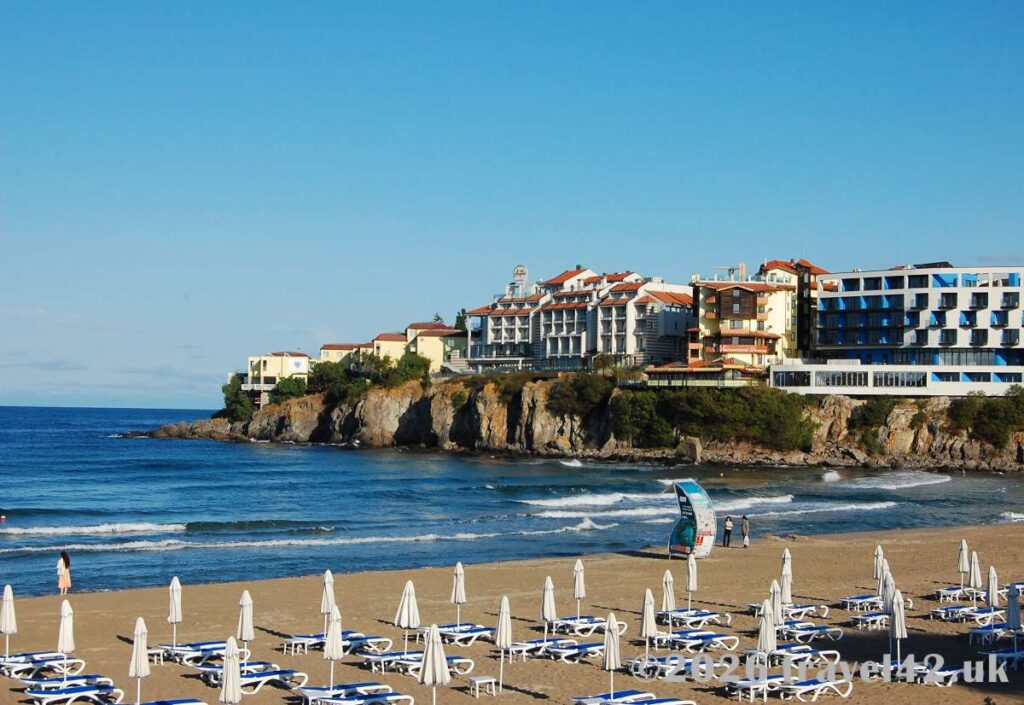
Sozopol
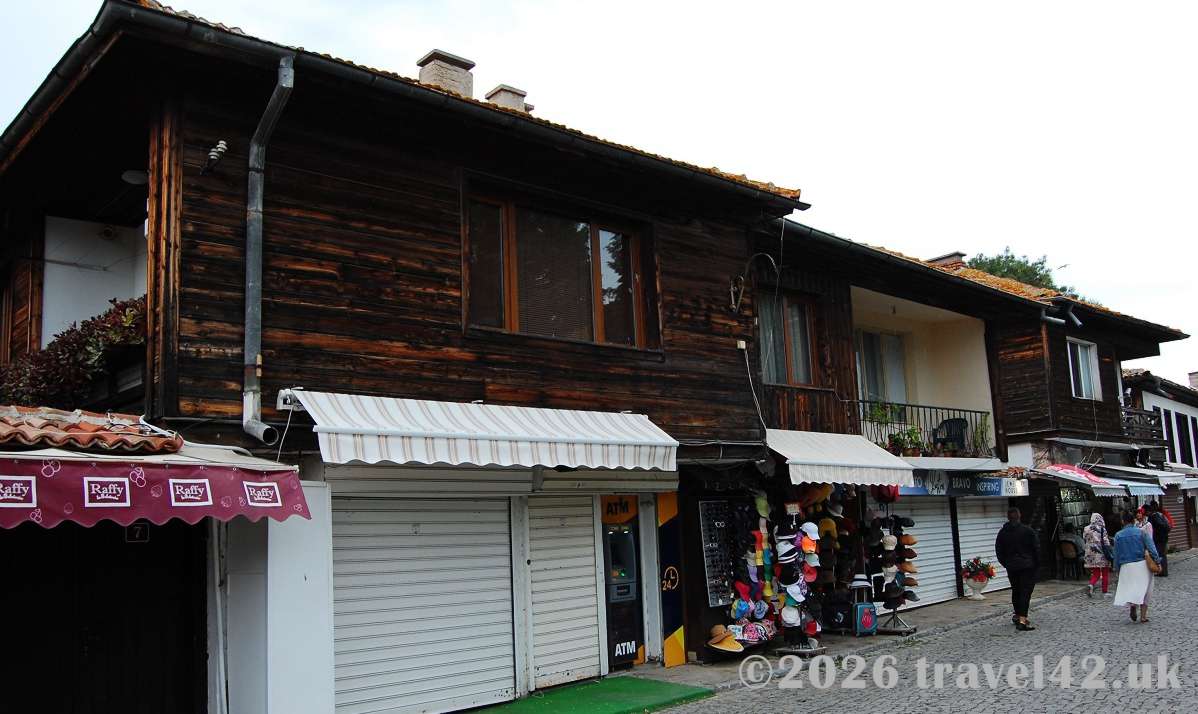
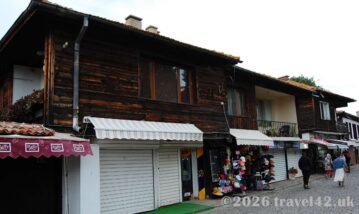
Of the towns along this stretch, Sozopol stood out for holding onto its older character better than most. This was definitely our favourite. Wooden Black Sea houses with overhanging upper floors still line the streets of the old town, sitting alongside the newer development that’s crept in around the edges – a mix rather than a wholesale replacement, which is more than can be said for some of the coastline further along.
We visited Sozopol in dry weather, which made wandering around the old town particularly pleasant. The narrow streets and waterfront are particularly good for a leisurely walk together, with plenty of little cafés and terraces where you can stop for a coffee or a drink. They’re not the cheapest places on the coast, particularly in the most atmospheric spots, but the setting makes them tempting nonetheless. For us, Sozopol had just the right combination of old-town character, seaside views and places to linger, which is probably why it remained our favourite.
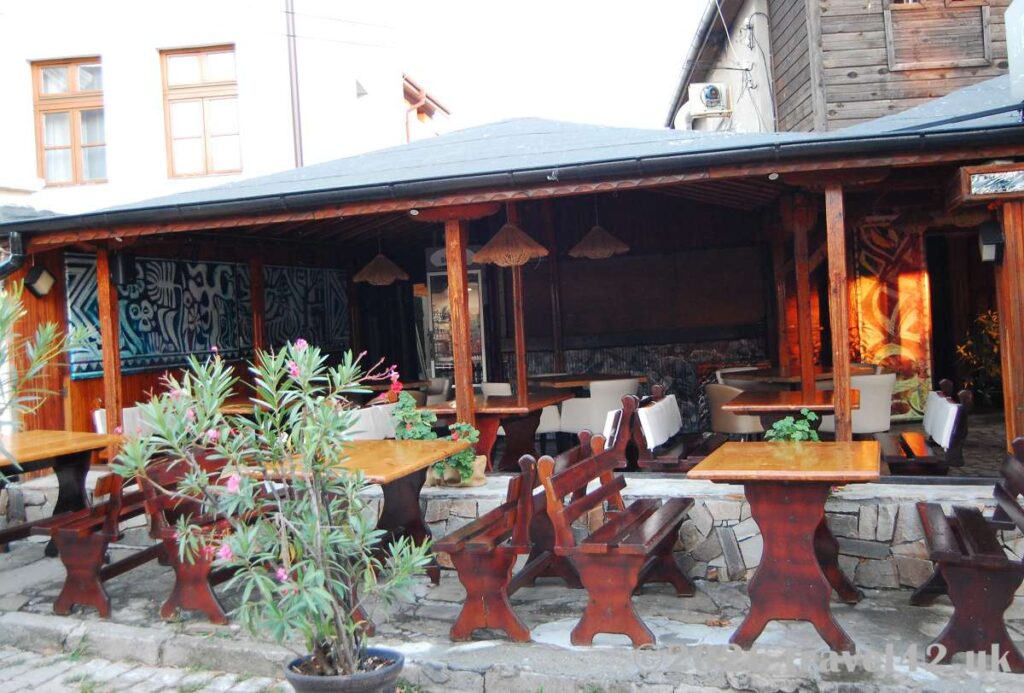
Sveti Vlas
A little further north, Sveti Vlas has one geographical quirk worth knowing: it’s the only spot on the Bulgarian Black Sea coast where the beach faces due south, catching the sun for most of the day. The settlement itself has roots going back to Thracian and Greek occupation around the second century AD, though its life as a tourist resort is a far more recent development.
Unfortunately, the weather turned against us here – it was raining in Sveti Vlas when we visited. That obviously took some of the shine off the coastal walk, but we still spent a good deal of time exploring the town and its waterfront.
Sveti Vlas remained a recognisable coastal settlement – there’s something about its position between the sea and the hills, together with the marina and long waterfront, that gives it a more appealing feel than many of the larger resort areas.
The town is heavily touristy, though, and you can feel it with every step. For us, it lacked some of the relaxed atmosphere we found elsewhere along the coast.
Nesebar
Further north, we also visited Nesebar, one of the most recognisable historic towns on Bulgaria’s Black Sea coast. The old town sits on a narrow peninsula joined to the mainland by a causeway, making it immediately different from the sprawling resort developments that dominate much of the coastline.
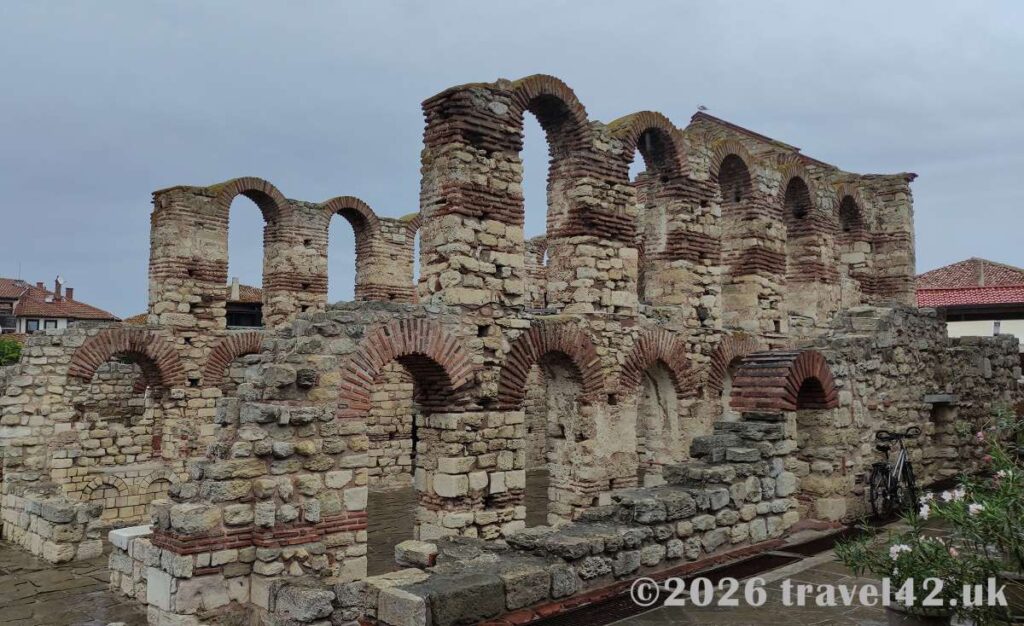
The historic centre is packed with old houses, narrow streets and Orthodox churches, with the remains of earlier settlements scattered around the peninsula. It’s much more compact than the larger coastal resorts, and wandering its streets gives you a sense of the area’s long history rather than simply its modern life as a seaside destination.
Nesebar is heavily visited, particularly in the summer months, but its historic character makes it worth the crowds. For us, it was one of the more interesting stops on the coast – somewhere to explore rather than simply spend time on the beach.
Varna: A Different Pace
On the other day, we finished the coastal leg in Varna, the largest of Bulgaria’s Black Sea resorts, spending a half day there before heading back south.
Varna felt different from the smaller resort towns – busier, more built-up, with the kind of established hospitality infrastructure that comes from decades as a destination. Restaurants and shops selling local produce line the streets, and if there’s one Bulgarian product worth taking home from Varna, it’s rose-based perfumery. We picked up a few pieces from Zornitza and Rose Valley, two of the better-known names, and found the jewellery on offer around town similarly good value.
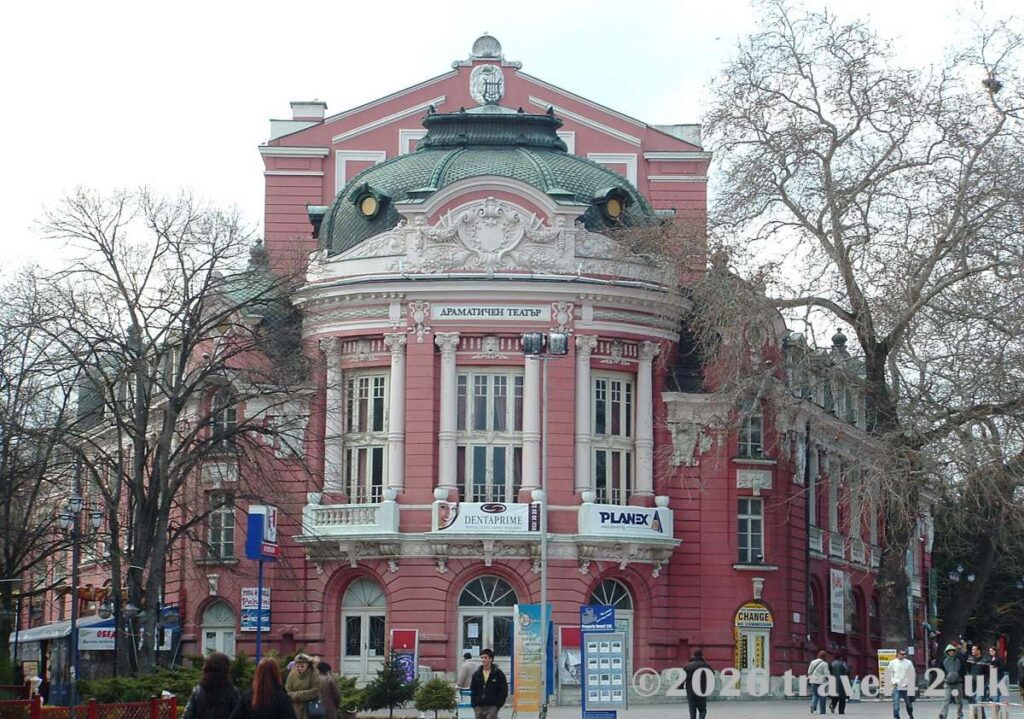
At the same time, there was an odd sense of time having slowed here – a feeling that the town’s development had paused somewhere mid-century and not quite caught up. As it was off-season, we didn’t find a great deal going on: we walked along the promenade, which was not very busy, and had lunch in the city. It clearly gets busy in mid-summer.
Practical Tips for the Bulgarian Black Sea Coast
- Bulgaria now uses the euro, adopted on 1 January 2026, so leave the leva at home.
- Base yourself in one resort town – we used Primorsko – and take day trips along the coast rather than moving hotels every night or two.
- All-inclusive is worth considering if you’re staying put for a week. It removes the daily “where shall we eat?” negotiation, though you’ll trade some spontaneity for it.
- If old-town character matters to you, prioritise Sozopol and Nesebar over the newer resort strips.
- Rose perfumery and jewellery are genuinely good-value souvenirs from Varna – better prices than you’ll typically find at home.
Where This Fits in Our Balkans Trip
The Black Sea coast offered a very different experience from the mountains, monasteries and vineyards further inland. If you’re planning a Bulgaria and North Macedonia road trip with a coastal finish, our 11-Day Bulgaria & North Macedonia Itinerary covers how the wider route connects the Black Sea coast with Melnik, the wineries of North Macedonia and the Seven Rila Lakes hike before returning to Bulgaria.
Final Thoughts
For us, the Bulgarian Black Sea coast worked best not as a standalone beach holiday, but as the slower final chapter of a road trip. After days of driving through mountains and wine country, having a week in one place gave us time to swim, wander, eat well and simply enjoy being together without another check-out looming the next morning. Primorsko gave us the practical base, while Sozopol, Sveti Vlas, Nesebar and Varna each offered something different – from historic streets and old wooden houses to marinas, promenades and the more urban feel of Bulgaria’s largest coastal city. By the time we turned the car back inland, we were ready for the next part of the journey.
Travel42 UK is a couples travel journal dedicated to immersive road trips, slow travel, and destination storytelling.
Explore More of Balkans:

The long way round, as a couple
About the Author
The author, ainarsbl, is a Level 7 Google Local Guide, Master Reviewer and expert travel reviewer focused on scenic landscapes, UNESCO sites and meaningful couples travel experiences.