
Italy surprised us – not because it wasn’t beautiful, but because of how many different countries it manages to feel like inside one.
There’s the Italy of grand ancient cities, the Italy of coastlines and volcanic landscapes, the Italy of mountain passes and medieval hilltop towns, and the Italy of food that makes everywhere else taste a little ordinary by comparison. On one trip, you can feel as though you’ve barely scratched the surface. On your fifth, you still feel that way.
We’ve returned to Italy multiple times as a couple – across Rome on several occasions, through Sardinia by boat, and with more of the country still on the list. This guide brings together everything we’ve experienced so far, and it will keep growing as we do.
It’s the diversity that keeps pulling us back. Fancy the Alps? Italy has them. Ancient history? Head to Rome. Beautiful beaches? Sardinia or Sicily. Wine and olive oil? Puglia. And there’s one thing you can enjoy absolutely everywhere in the country: proper Italian food.
💑 Why Visit Italy as a Couple?
Italy has a reputation for romance, and it earns it – though perhaps not always in the ways you’d expect.
Yes, there are candlelit trattorias, cobbled lanes and views that stop you mid-sentence. But Italy also works as a couples destination because of the sheer variety it offers within a single country. Whether you prefer cities full of art and history, active road trips along volcanic coastlines, slow mornings in mountain villages, or beach days on islands that feel genuinely remote, Italy accommodates all of it. You can build a trip around your own dynamic as a couple rather than fitting yourselves into someone else’s template.
It also rewards curiosity. The food alone is worth the trip, and every region does it differently – sharing new dishes, stumbling on a local market, or arguing (amiably) over whose regional pasta wins becomes part of the story you bring home.
Italy works especially well for couples who:
- enjoy a mix of city culture and natural landscapes
- love food and wine as part of the travel experience
- want the flexibility to explore independently, often by car
- appreciate history without it feeling like a museum tour
- are happy mixing iconic highlights with quieter, off-the-beaten-track discoveries
🗺️ Our Italy Destinations
Unlike our China trip, which followed a single connected route, our Italy content covers several separate trips taken over time. Think of this less as one itinerary and more as a growing collection of destinations, each explored in its own right and ready to be combined however suits you.
Here’s everything we’ve covered so far – and what’s still to come.
Rome – Italy’s Greatest City for Couples
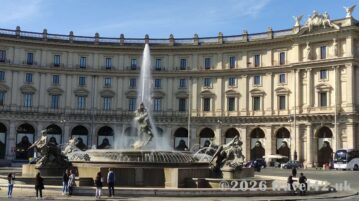
Rome is inexhaustible. We’ve visited more than once, and each trip has felt different, partly because we’ve approached it differently and partly because Rome simply has that much to offer.
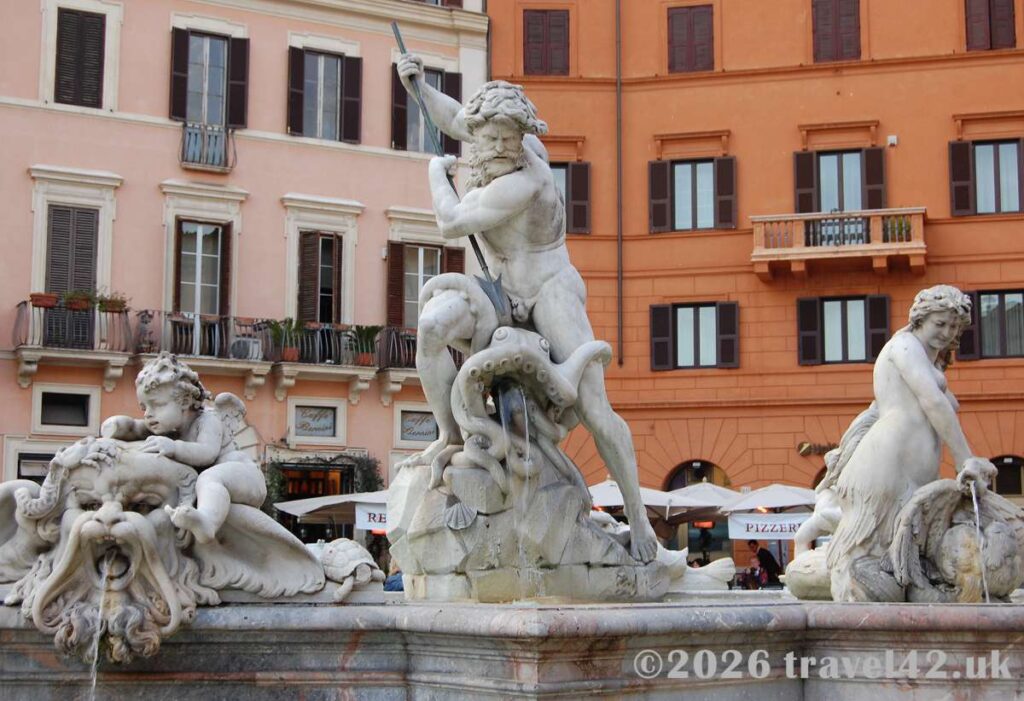
For first-time visitors, Rome can feel overwhelming. The key is to slow down. The Colosseum and the Vatican will take care of themselves – what makes Rome memorable for couples is the quieter texture of the city: a glass of wine near Campo de’ Fiori as the evening cools, a slow walk across the Tiber at dusk, an exceptional dinner discovered entirely by accident.
Rome rewards couples who enjoy wandering without a strict agenda, eating exceptionally well, and letting the city set the pace.
Read more in our central Italy road trip through Rome, Umbria and Vesuvius, our weekend in Rome’s historic centre, and our Rome food guide for couples.
Sardinia – The Island That Rewards Effort
Sardinia isn’t the easiest Italian destination to reach.
That, in some ways, is the point.
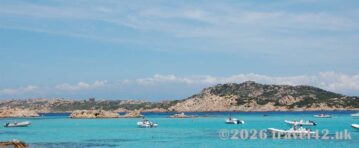
The island has a character that feels genuinely independent from the Italian mainland – its own linguistic traditions, its own culinary traditions, its own pace. The coastline is exceptional, with water clarity that rivals anywhere in the Mediterranean, but Sardinia also rewards those who venture inland: the mountains, the ancient nuraghi stone towers, and traditional villages that many visitors never see.
For couples willing to put in the effort – a flight, a ferry, or a combination of both – Sardinia delivers the kind of trip you don’t quickly forget.
Read about our four days in Sardinia, including a sailing trip through the La Maddalena Archipelago, a hidden beach reached only by boat and an unexpectedly memorable Sardinian dinner.
The Dolomites, Verona and Lake Garda
Few places in Italy feel less like Italy, and that’s part of the appeal.
South Tyrol sits at the meeting point of Italian and Austrian culture, with an Alpine landscape that feels more Tyrolean than Mediterranean, while Verona and Lake Garda offer one of the most quietly romantic stretches of the north.
Our full write-up of this road trip is coming soon check back here once it’s live.
Our Southern Italy & Sicily Loop
This cluster of posts follows one continuous road trip, though we’ve grouped the posts by theme rather than by the order we actually travelled. Here’s how the route ran, start to finish:
Brindisi → Alberobello → Ferry to Messina → East Coast → Mount Etna → West Coast → Palermo
- Road trip from Puglia to Sicily (Alberobello, Tropea, Agrigento, Trapani, Erice)
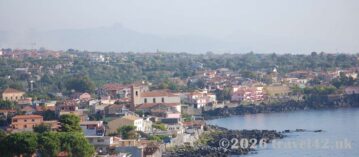
- East Sicily and Mount Etna (Messina, Acireale, Syracuse, Noto, Taormina, Etna)
Follow the links above in order if you’d like to read the trip as it actually unfolded, day by day.
Sicily – Contrasts, Volcanoes and Coastal Roads – Coming Soon
Sicily feels like a destination unto itself – the drama of mainland Italy pushed further, with landscapes more extreme, food with a character all its own, and history layering Greek, Arab, Norman and Italian influences into something genuinely unique.
We’re planning posts covering Etna and the east of the island, a Puglia-to-Sicily road trip, and Palermo and the west – watch this space.
Puglia – Slow Roads, White Towns and Long Tables – Coming Soon
Puglia is southern Italy at its most quietly seductive: trulli houses rising from flat fields, towns built almost entirely in white for shade, and an olive oil culture so central to local identity that the groves themselves feel ancient.
It’s exceptionally well suited to a couples’ road trip, and we’ll have a full guide here once ours is written up.
🍝 Italian Food: One of the Best Reasons to Go
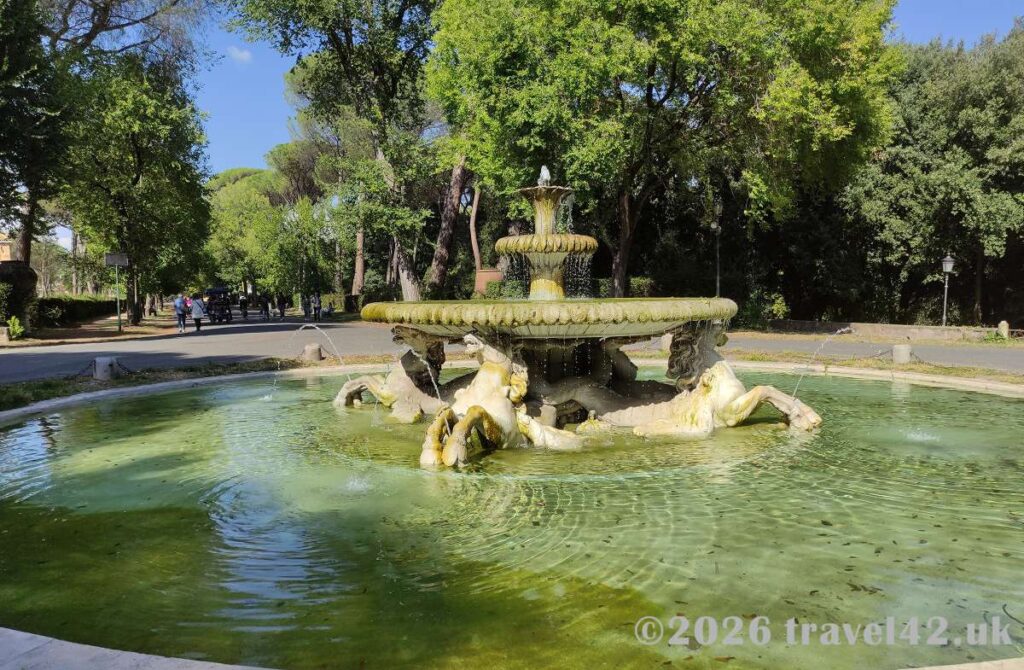
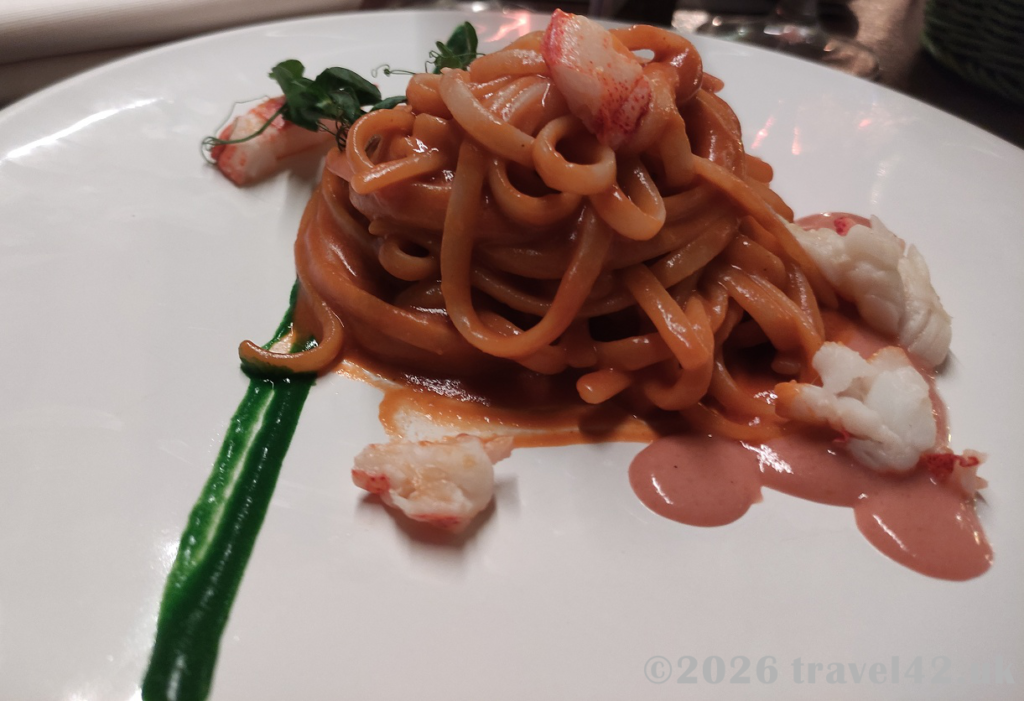
No Italy guide for couples would be complete without talking about the food, because in Italy, eating together is genuinely part of the travel experience rather than fuel between sights.
Every region does it differently. In Rome, it’s cacio e pepe and supplì. Further afield, it’ll be arancini and granita for breakfast in Sicily, orecchiette with cime di rapa in Puglia, or speck and apple strudel in South Tyrol, where you’ll feel pleasantly confused about which country you’re actually in.
This variety makes food one of the most reliable ways to understand where you actually are in Italy – and sharing dishes, comparing notes, or stumbling into an exceptional local trattoria becomes one of the things you remember most.
We took a cooking class in Rome together, and we’ve done dedicated foodie weekends there too; read about both in our Rome food guide.
Really, you can follow your mood when choosing a meal: a proper Italian cappuccino for breakfast, a quick pasta or pizza for lunch in the city, or a relaxed dinner finished off with a glass of limoncello or another digestif.
🚗 Road Tripping in Italy: What You Need to Know
Several of our Italy trips have been road trips, and Italy is genuinely excellent driving territory once you understand a few things.
The good news: the roads across Puglia, Sicily, the Dolomites and Sardinia are perfectly manageable for independent travellers, and the scenery from the car window is often as good as the destinations themselves. Stopping whenever you fancy – for a view, a village, a coffee – is one of the great pleasures of driving in Italy.
The things worth knowing:
- ZTL zones (Zona a Traffico Limitato) exist in many historic Italian town centres. They’re often camera-enforced, and fines can catch up with you weeks later at home. Always check whether your destination has one, and where the boundaries sit, before you drive in.
- Autostrade (motorways) charge tolls – keep cash or a card easily accessible.
- Petrol stations in rural areas can be sparse. Fill up when you can rather than waiting until you need to.
- Sicilian driving has a reputation, and it’s largely deserved. Stay calm, stay alert, and treat lane markings as suggestions the locals have collectively agreed to interpret loosely. The main thing: follow your common sense and you’ll be fine.
On cost, Rome can be expensive if you don’t know where to eat – we paid around €40 for a brilliant dinner for two on Tiber Island, and around €120 for a genuinely exceptional special-occasion lunch, both entirely justified.
Step just a little away from the obvious tourist areas and the mid-range holds up well. Sicily and Puglia tend to offer better value and larger portions than Rome, particularly for accommodation and everyday eating, while the Dolomites can be pricey in peak season given their popularity with both Italian and Northern European visitors.
🌤️ Best Time to Visit Italy for Couples
Italy is a year-round destination, but timing matters depending on where you’re going.
Spring (April-June) ✔️ Our preferred time for most of Italy. Temperatures are comfortable, crowds haven’t peaked, and the light is beautiful – wildflowers in Puglia and the Dolomites, Rome before the summer heat sets in.
Early Autumn (September-October) ✔️ Arguably the best time for southern Italy and the islands. The sea is still warm, the summer crowds have thinned, and the heat is manageable. We visited Rome in mid-October and found it excellent.
Summer (July-August) ⚠️ Peak season in every sense. Prices rise, coastal areas get very busy, and the heat in southern Italy and Rome can be intense. If you go in summer, manage expectations around crowds and book everything well ahead.
Winter (November-March) Quieter, cheaper, and worth considering for Rome if you want the city with a little more breathing room – it’s our usual choice for a short, extended-weekend break there. The Dolomites come into their own for skiing, while Sicily and Sardinia can be mild, although some coastal areas close down significantly out of season.
✈️ Getting Around Italy
By plane: Flying is the most practical way to reach Sicily, Sardinia and, depending on your itinerary, Puglia. Budget airlines serve many major Italian airports from the UK, and fares can be very reasonable if booked early, although flights from elsewhere in Europe can sometimes work out pricier.
For Puglia, look at Bari and Brindisi; for Sicily, Palermo and Catania; and for Sardinia, Cagliari, Olbia or Alghero.
By train: Italy’s rail network is excellent, particularly along the main north–south routes. High-speed trains connect Rome with Milan, Florence, Naples and other major cities efficiently. For regional travel and rural areas, expect things to slow down – we’ve used trains in the north of the country and around Rome so far.
By car – our favourite: Essential for Puglia, Sardinia and the Dolomites, and very useful in Sicily outside Palermo. In Rome and other major cities, a car is more hindrance than help.
See our Travel Kit for the car-hire providers we’ve actually used.
By ferry: Ferries connect the Italian mainland with Sicily and Sardinia, as well as many of the country’s smaller islands. The mainland-Sicily crossing can be part of the journey itself, while Sardinia has services from several mainland ports. Journey times vary considerably, so check the route and timetable for your dates before booking.

✨ Final Thoughts
Italy is one of those countries where more trips create more questions rather than more answers.
Every region we’ve visited has made us want to return to it differently, or sent us straight to looking at what’s next on the map. Rome keeps drawing us back on its own terms, and Sardinia left us wondering how much of the island’s interior we still haven’t seen.
What Italy offers couples specifically is a kind of travel that deepens with time. The food gets better once you know which region does which dish. The landscape means more once you understand what shaped it. The cities open up once you stop treating them as lists of sights to complete.
We’re still adding to this guide – the Dolomites, Sicily and Puglia posts are coming, and there’s plenty more of Italy we haven’t written about yet.
Start somewhere. Then go back.

Frequently Asked Questions: Italy for Couples
Yes, and consistently so across very different types of trip. Italy works for city breaks, road trips, beach holidays, mountain escapes and food-focused travel.
It suits couples who enjoy exploring together and sharing new experiences, particularly around food, culture and landscape.
This depends entirely on what you want to cover. A Rome weekend works brilliantly in three to four days. A Puglia or east Sicily road trip benefits from seven to ten. If you want to combine multiple regions – Rome, Sicily and the Dolomites, for example – three weeks would still feel tight.
We’ve approached Italy as a series of separate trips rather than trying to do everything at once.
Based on our own trips: Rome for history, food and atmosphere; Sardinia for a genuinely remote island escape; and, once we’ve written them up, Sicily for drama and discovery, Puglia for slow road trips and white-town beauty, and the Dolomites for mountain scenery unlike anywhere else in Europe.
The right choice depends on your travel style.
It can be, particularly in Rome and the more touristy parts of the north – but it doesn’t have to be.
Puglia and rural Sicily can offer good value, and eating where locals eat rather than where the menus are laminated can make an enormous difference. We’ve had exceptional meals in Rome for €40 for two and genuinely memorable ones for €120, both worth it for different reasons.
Spring (April to June) and early autumn (September to October) are generally the best windows for many parts of Italy – excellent light, manageable crowds and comfortable temperatures.
Summer is busier and hotter but works if you plan ahead. Rome in October is particularly good for us, based on our own experience.
For Rome: no.
For Puglia, Sardinia, the Dolomites and much of Sicily: strongly recommended. A hire car transforms these destinations and gives you the freedom to stop when and where you want, which is where some of the best moments happen.
We’ve found Italy to be a comfortable and safe destination throughout our trips. The usual awareness around pickpocketing in busy tourist areas – particularly Rome – applies, but nothing beyond what you’d expect in any major European city.
Travelling as a couple in rural areas, on the islands and through smaller towns has felt entirely relaxed.
Travel42 UK is a couples travel journal dedicated to immersive road trips, slow travel, and destination storytelling.
The long way round, as a couple
Read more:


About the Author & Travel Philosophy
The author, ainarsbl, is a Level 7 Google Local Guide, Master Reviewer and Expert Photographer with over 1,000 contributions, 200 reviews and 600 photos. His focus is on discovering scenic landscapes, UNESCO World Heritage Sites, cities and meaningful travel experiences for couples. Learn more about the Travel42.uk authors and our approach to exploring the planet together.