

The Balance Between Tourism & Authenticity
Zanzibar exists in a delicate balance.
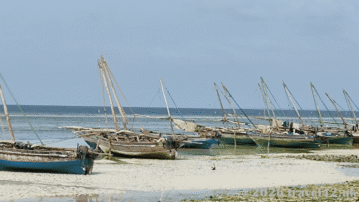
Tourism plays a major role in everyday life. You see it in beach vendors, organised tours, and curated experiences. Yet at the same time, village life continues alongside it. Fishing boats still depart at dawn. Children walk to school – and there are incredibly many of them on the roads in the morning and afternoon.
For couples who value meaningful travel, engaging thoughtfully with this balance makes a difference:
- Choose respectful wildlife and tour operators
- Support community-based initiatives where possible
- Avoid aggressive bargaining over small price differences
- Show appreciation for good service
Small decisions shape the atmosphere you experience. When approached this way, Zanzibar feels welcoming – almost like a temporary home, even if the difference in living standards remains visible.

Along the beaches, vendors move between visitors offering souvenirs. Many are Maasai, wearing traditional dress and carrying handmade goods. Their presence adds colour and character, though at times it can feel persistent – especially when you’re simply trying to enjoy a quiet swim.
One thing that surprised us was the subtle presence of religion. Tanzania is predominantly Muslim, yet religious life felt understated. The distant call to prayer from nearby mosques was often the only visible reminder, blending softly into the rhythm of the day.
Value for Money & Travel Expectations
Zanzibar can surprise travellers in two opposite ways.
On one hand, outside the capital, infrastructure feels less developed than expected. On the other, prices are higher than many anticipate from an African destination – particularly for tourists.
Both are true at the same time.
We noticed that pricing can vary depending on who you are. For example, entrance fees to natural reserves often differ for locals, residents, and international visitors. Tourist prices can be significantly higher – sometimes roughly double.
For couples planning a trip, realistic budgeting is important. Zanzibar is not necessarily a “budget” destination unless you plan it that way. But it offers strong value for what you receive – stunning beaches, wildlife experiences, cultural depth, and reliable organisation.
And reliability stood out.
Transfers arrived on time. Guides were present as agreed. Excursions ran smoothly – with only one minor exception from an online booking. That consistency builds trust, and trust allows you to relax.
A few practical cost examples from our experience:
- Hotel main course: around $30+
- Food court main dish: up to $10
- Fresh juice: $3.5–$4.5
- Cocktail (e.g. Negroni): around $7.5
- Tuk-tuk (short ride): ~$3
- Taxi (same route): ~$5

Accommodation, tours, and dining prices are often closer to Southern Europe than mainland Africa. But you’re not just paying for a meal or a room – you’re paying for infrastructure on an island that depends heavily on imports and tourism.
Food in Zanzibar: Fresh, Flavourful & Consistently Good
Food quickly became one of the highlights of our stay.
We didn’t explore street food markets this time. Instead, we focused on food courts and coastal restaurants, likely designed more for international visitors. Prices were therefore not “local low,” but consistently fair for the quality.
Seafood was fresh and well prepared. Fresh juices became part of our daily routine. Sunset cocktails felt almost natural after a day of exploring.
Spices – unsurprisingly – played an important role. Cinnamon, cloves, cardamom, and turmeric shaped many dishes, often subtly.
Portions in food courts are generous. In many cases, sharing a starter or even a main dish works perfectly for couples. Soups, especially seafood-based ones, are rich and filling, often closer to a full meal.

There’s also plenty of variety – from local dishes to pasta, grilled seafood or meat, and even pizza.
Desserts tend to be on the sweeter side. If you prefer something lighter, fruit-based options are often the better choice.
Final Reflections: What Zanzibar Gave Us
Tanzania – and Zanzibar in particular – gave us contrast.
Beach stillness and safari intensity. Quiet cave swims and busy Stone Town alleys. Simple beachfront lunches and carefully prepared restaurant meals.
But perhaps most importantly, it gave us space.
Space to slow down.
Space to talk.
Space to experience something layered rather than rushed.
For couples, that combination matters.

Zanzibar doesn’t overwhelm you with constant stimulation. Instead, it offers rhythm – tides shifting the coastline, soft morning light, distant calls to prayer, evenings that arrive gently.
And somewhere within that rhythm, connection deepens.
It’s the kind of place you don’t just visit once.
Speaking with other travellers, we realised many were returning – drawn back by something difficult to define but easy to feel. And we understand why.
Once you experience a place that stays with you, part of you naturally wants to return.
Read more:




Adventure travel City break Dalmatia Dorset Dubrovnik England Food Heritage Holidays Islands Nature Road trips Rome Scotland Weekend travel
Exploring the planet together – from wild roads to quiet evenings
About the Author
The author, ainarsbl, is a Level 7 Google Local Guide, Master Reviewer and expert travel reviewer focused on scenic landscapes, UNESCO sites and meaningful couples travel experiences.