
Zanzibar is known for its white beaches and turquoise water.
But beneath the surface – quite literally – lies another world. We found that out during our road trips around the island.
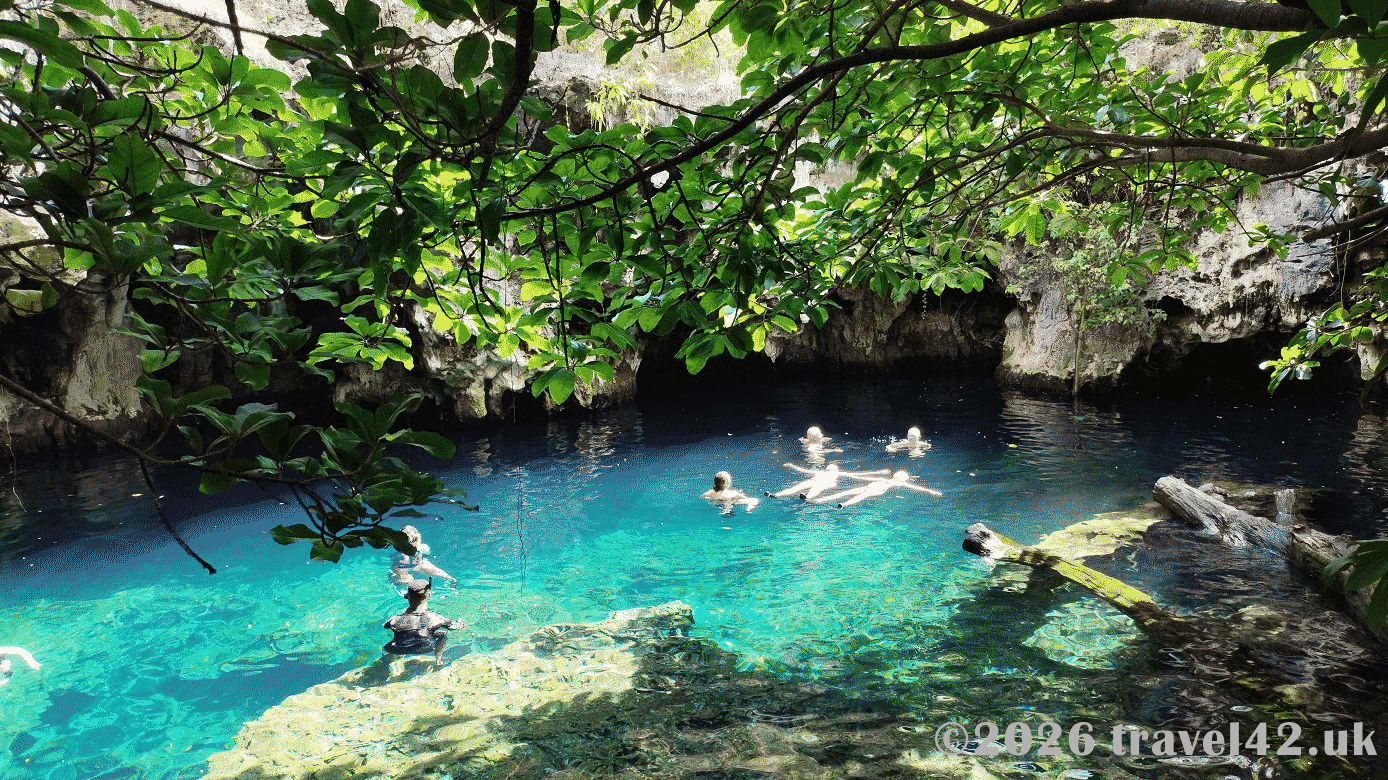
Scattered across the island, limestone caves offer something entirely different from the coastline: cool freshwater pools, filtered jungle light, and in one unforgettable case, turtles gliding silently through a natural sea cave.
Most caves in Zanzibar are located on private land but are open to visitors for a reasonable entrance fee (typically $10–$20, depending on facilities).
During our stay in Paje, we explored three very different caves. Each had its own atmosphere, level of development, and personality.
For couples, they offer the perfect balance between adventure, tranquillity, and something slightly unexpected.
Paje Cave – Quiet & Effortlessly Accessible
The easiest cave to reach from our base at Hakuna Majiwe Beach Lodge was Paje Cave. We walked there one morning – less than 15 minutes from the beach.
Entrance fee: $10 per person
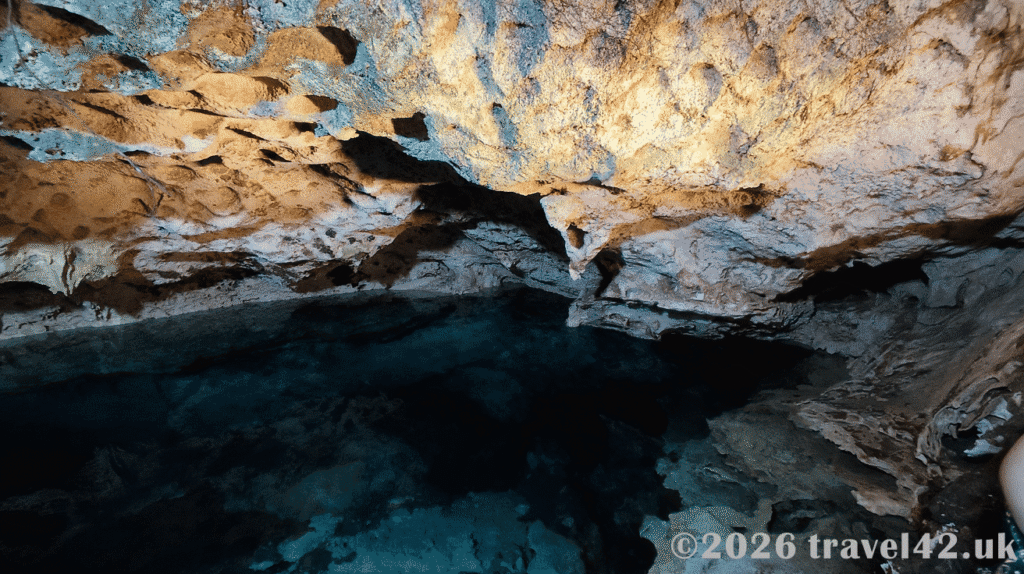
This cave feels refreshingly low-key. No heavy infrastructure. No loud crowds. Just a natural limestone tunnel opening into a clear freshwater pool.
For couples who prefer gentle exploration over adrenaline, this cave is ideal. It’s intimate and peaceful – the kind of place where you naturally lower your voice.
Although some sections reach depths of up to 20 metres, you don’t need to swim far from the steps. Near the entrance, the water is approximately 1.5 metres deep, making it accessible even if you’re not a confident swimmer.
The temperature is pleasantly refreshing – cool but not cold. We stayed in the water for over half an hour before returning to Zanzibar’s warm sun.
Maalum Cave – Designed, Polished & Indulgent
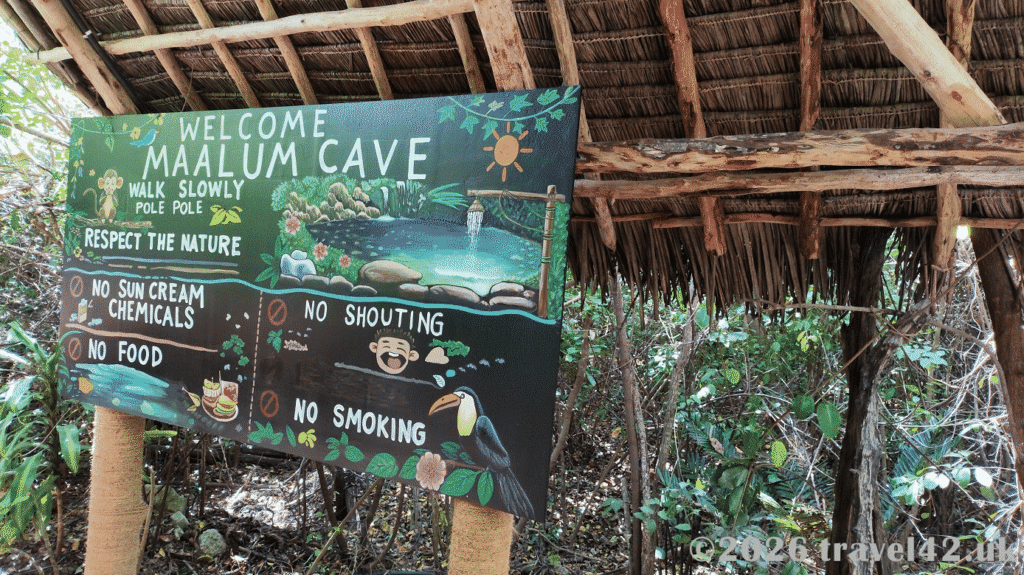
Our third scooter adventure, after visiting Michamvi Beach and Jozani National Park, took us to Maalum Cave, and the experience felt very different.
Entrance fee: $20 per person
Maalum Cave is beautifully maintained and thoughtfully designed. Compared to Paje Cave, it feels more curated – almost boutique.
Your visit includes:
- Lockers for personal belongings
- Water shoes (very useful on limestone steps)
- Garden and relaxation areas
- Viewpoint
- On-site restaurant
- Optional massage treatments
Advance booking is highly recommended, as visits are organised in one-hour slots and the cave is often fully booked.
Descending the staircase feels slightly dramatic – sunlight filters through a large opening above, illuminating the water in deep emerald tones.
After swimming, we decided to stay longer. We relaxed in the garden, treated ourselves to a surprisingly affordable foot massage, and had lunch at the restaurant.
And I have to mention the tuna tartare – genuinely excellent.
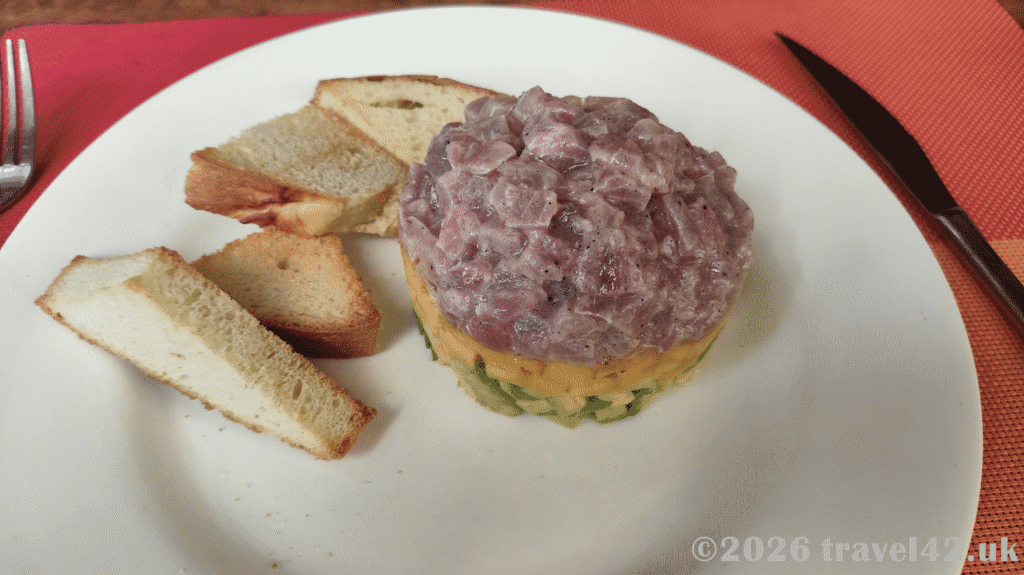
For couples, Maalum Cave offers something close to a full-day experience: swim, unwind, eat well, and take your time.
It is slightly remote from the main road, so a taxi is often the easiest option, even if you are staying in Paje.
unwind, eat well, and take your time.
It is slightly remote from the main road, so a taxi is often the easiest option, even if you are staying in Paje.
Kuza Cave – Community Spirit Near Jambiani
Kuza Cave, sometimes called the “Green Cave,” is located near Jambiani.
This cave combines nature with community initiatives. It has been developed as part of a local cultural project, offering visitors not only swimming but also insight into local traditions and sustainability efforts.
From what we understand, the cave itself is similar in scale to Paje Cave but with more structured surroundings.
We did not visit Kuza Cave ourselves, so I cannot offer personal impressions – but it may appeal to couples interested in combining nature with cultural awareness.
Garden Cave – Swimming with Turtles in a Natural Sea Cave
The most unforgettable cave experience for me personally was Garden Cave near Kizimkazi Mkunguni.
It is important not to confuse it with Salaam Cave, which is more widely known and often busier.
Entrance fee: $12 per person (30 minutes)
At the time of our visit, Garden Cave had only recently been opened to visitors, and there was very little information available online.
The cave pool is naturally connected to the ocean, and turtles live inside. You can observe them, feed them seaweed, and – most remarkably – swim alongside them.
At low tide, swimming is not even necessary. You can simply stand in the shallow water and watch turtles of various sizes glide around you.
They move slowly and gracefully, entirely unbothered by human presence. Occasionally, one may gently brush against you with its shell.
There is no rush in their world.
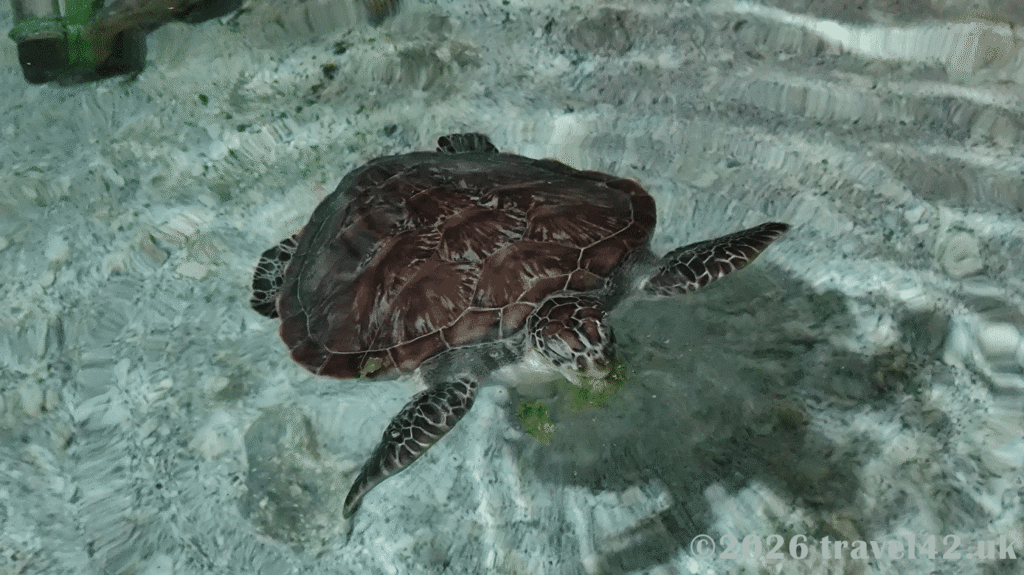
A practical note: turtles associate green colour with seaweed. Avoid wearing green swimwear – we saw an example of a curious bite.
Looking back now, a month after returning home, swimming with turtles in Garden Cave remains one of my top three experiences from Zanzibar.
Afterwards, we returned to Kizimkazi beach, where local fishermen prepared lunch for us – something we had arranged in advance. Our table was set directly on the sand while we watched the meal being prepared.
The experience cost $50, and it felt less like lunch and more like theatre.
Simple. Fresh. Unforgettable.
Which Zanzibar Cave Is Best for Couples?
If you don’t have time to visit all of them:
- For convenience & quiet: Paje Cave
- For comfort & facilities: Maalum Cave
- For wildlife & uniqueness: Garden Cave
Each offers something different – and together they reveal a side of Zanzibar hidden beneath the surface.
Practical Tips for Visiting Zanzibar Caves
- Bring swimwear and a towel (some locations provide them, many do not).
- Water shoes are useful on limestone steps (often included at developed caves).
- Book ahead for Maalum Cave.
- Visit earlier in the day for fewer crowds (though not guaranteed everywhere).
- Respect the environment – these are fragile ecosystems.
Exploring Zanzibar’s caves quite literally added depth to our island experience.
They provided contrast to beach days and reminded us that beneath the postcard-perfect coastline lies a cooler, quieter, more mysterious world.
For couples travelling beyond the obvious, Zanzibar’s caves – especially the lesser-known ones – are absolutely worth including in your itinerary.
And that feeling stays long after the journey ends.
Read next:






Adventure travel Bulgaria City break Coastal Travel Dalmatia Dorset England Food Heritage Hiking Holidays Islands Montenegro Mountains Nature North Macedonia Puglia Rail Travel Road trips Rome Scotland Sicily Weekend travel Wine tasting
The long way round, as a couple
About the Author
The author, ainarsbl, is a Level 7 Google Local Guide, Master Reviewer and expert travel reviewer focused on scenic landscapes, UNESCO sites and meaningful couples travel experiences.